About Island Peak Climbing (6,189M)
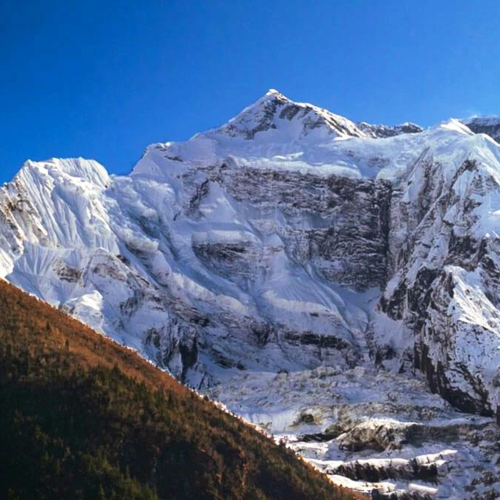
Island Peak Climbing is a thrilling high-altitude adventure in Nepal’s Everest region, taking you to the 6,189-meter (20,305 ft) summit of Island Peak, also known as Imja Tse. Located above Chhukung in the upper Khumbu, the mountain combines the iconic Everest trekking experience with genuine Himalayan mountaineering. The journey follows the classic trail through Lukla, Namche Bazaar, Tengboche, Dingboche and Chhukung, passing Sherpa villages, Buddhist monasteries, alpine valleys and spectacular views of Everest, Lhotse, Ama Dablam, Nuptse and other Himalayan peaks.
Island Peak also has a fascinating connection with Everest climbing history. It was used as a training and acclimatization peak by members of the 1953 British Everest expedition before their historic Everest ascent. The main summit was later climbed in 1956 by a Swiss expedition, and the mountain was officially renamed Imja Tse in 1983. However, Island Peak remains the name most widely used by trekkers and climbers.
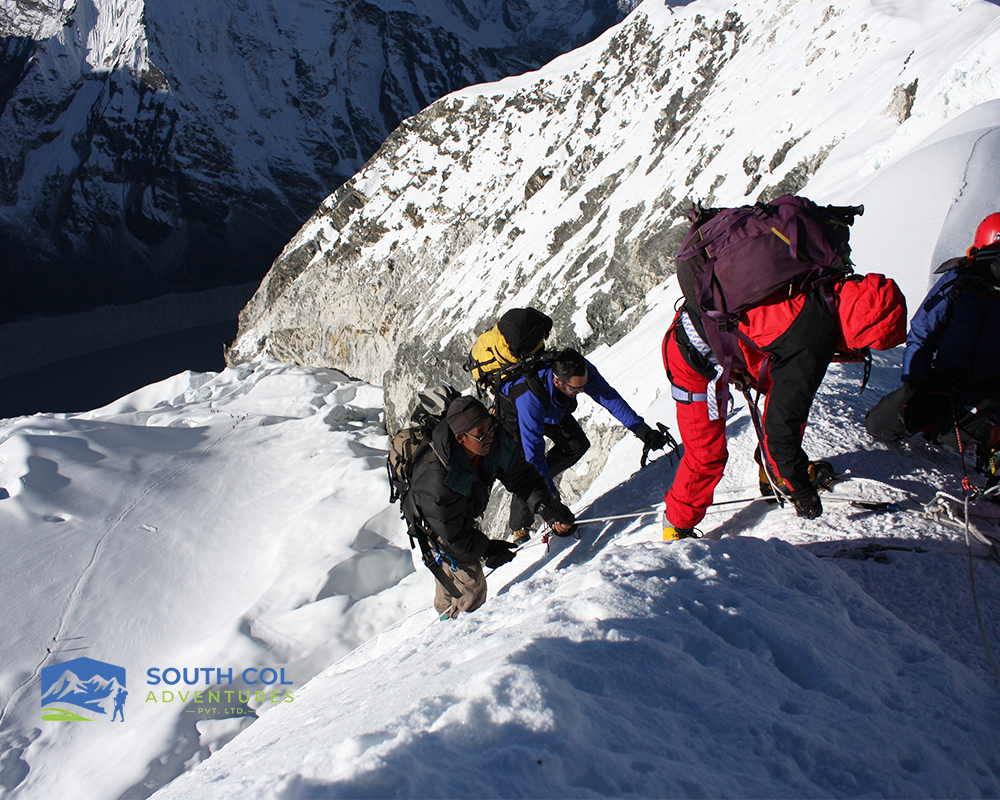
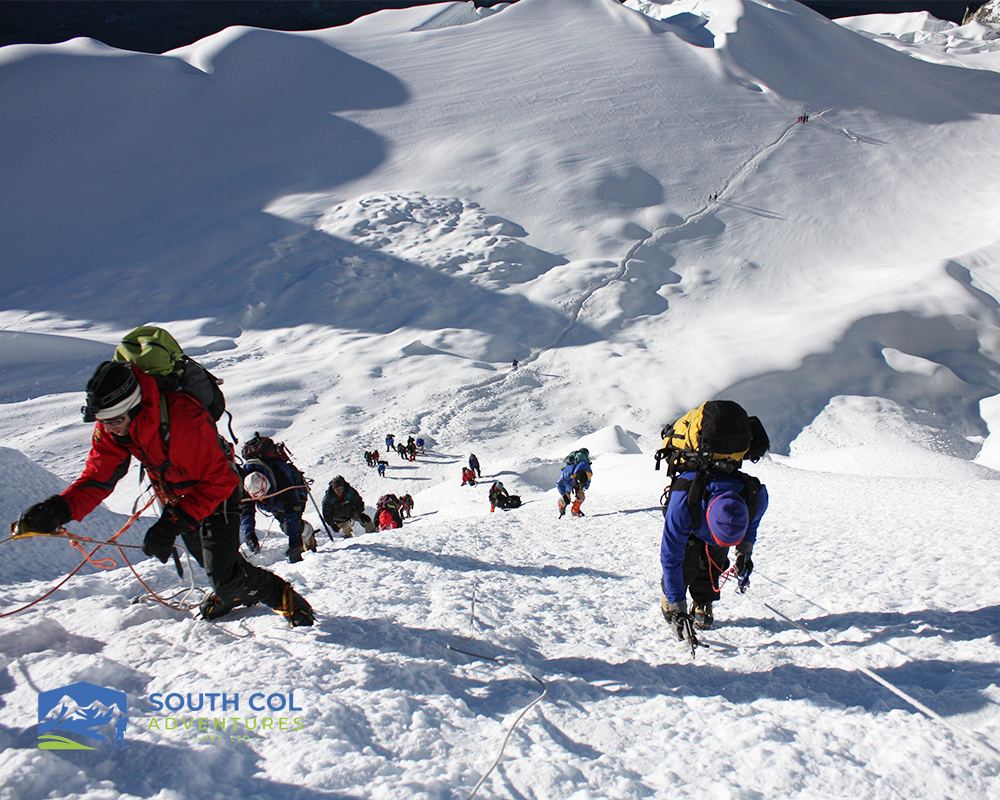
The Island Peak Climbing route follows the main Everest trekking trail before turning from Chhukung into the Imja Valley toward Island Peak Base Camp. After proper acclimatization and climbing preparation, the summit route involves glacier travel, snow and ice climbing, fixed ropes and steep sections, requiring crampons, ice axe, harness and ascender as appropriate. Good physical fitness, previous high-altitude trekking experience and professional climbing guidance are essential for a safe summit attempt.
For travelers already trekking in the Everest region, Island Peak Climbing via Chhukung (Joining Basic)offers a convenient way to add a 6,000-meter summit without repeating the full approach from Kathmandu. It can be combined with the Everest Base Camp Trekor Everest Three Passes Trek, making it an ideal option for adventurers who want to progress from high-altitude trekking to technical peak climbing.
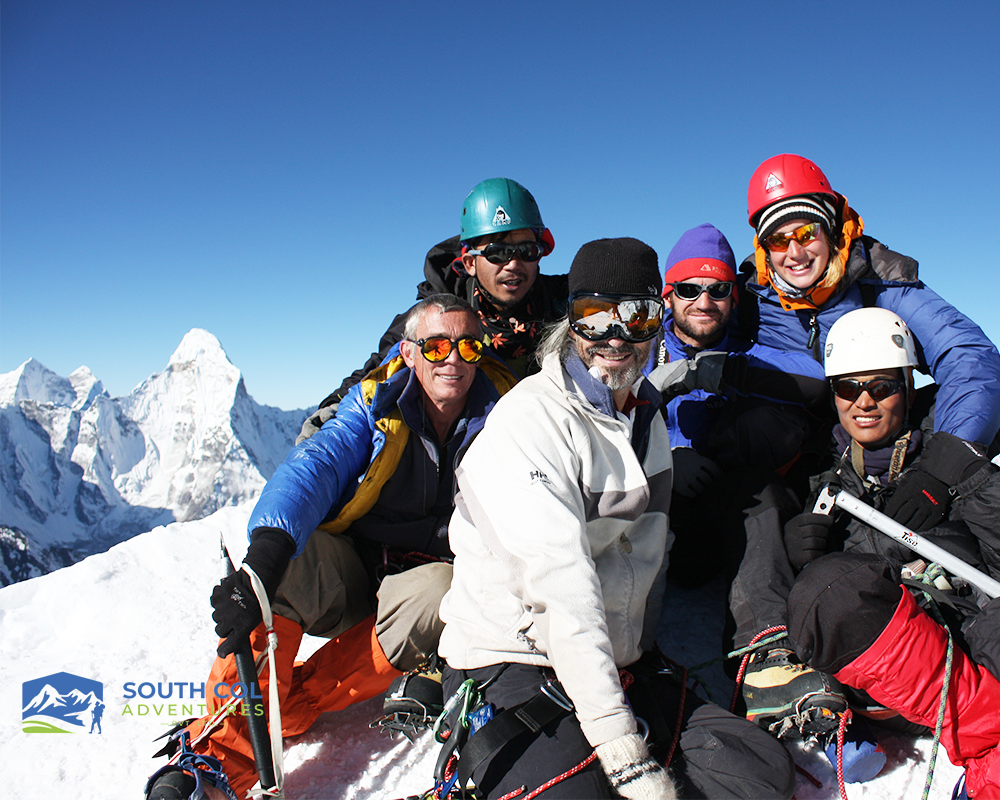
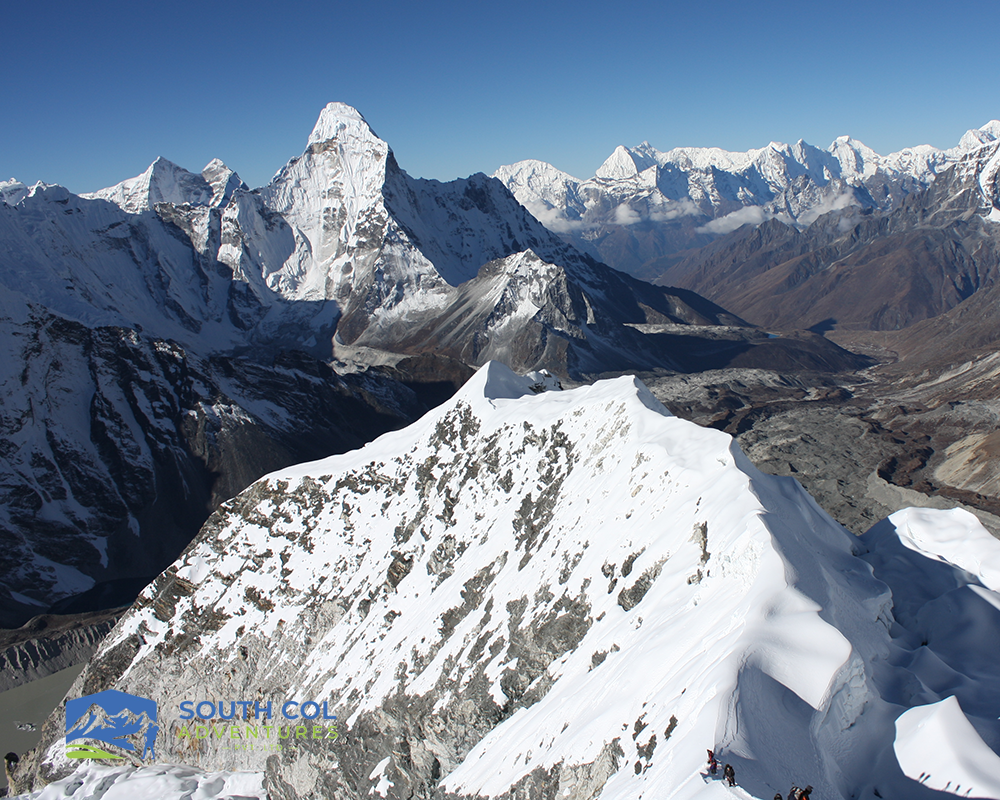
The summit of Island Peak at 6,189 meters offers an outstanding Himalayan panorama, with close views of Lhotse, Nuptse, Ama Dablam, Makalu, Baruntse and surrounding peaks. Island Peak (6,189 m) offers an excellent balance between trekking and technical mountaineering. Compared with Mera Peak (6,476 m) and Lobuche Peak (6,119 m), Island Peak combines the classic Khumbu trekking experience with glacier travel, fixed rope climbing, and a technical summit section, making it an ideal choice for adventurers seeking practical Himalayan mountaineering experience at 6,000 meters. Island Peak Climbing with South Col Adventures brings together classic Khumbu trekking, Sherpa culture, glacier adventure and the rewarding achievement of standing on a 6,000-meter Himalayan summit.
Island Peak Climbing Route
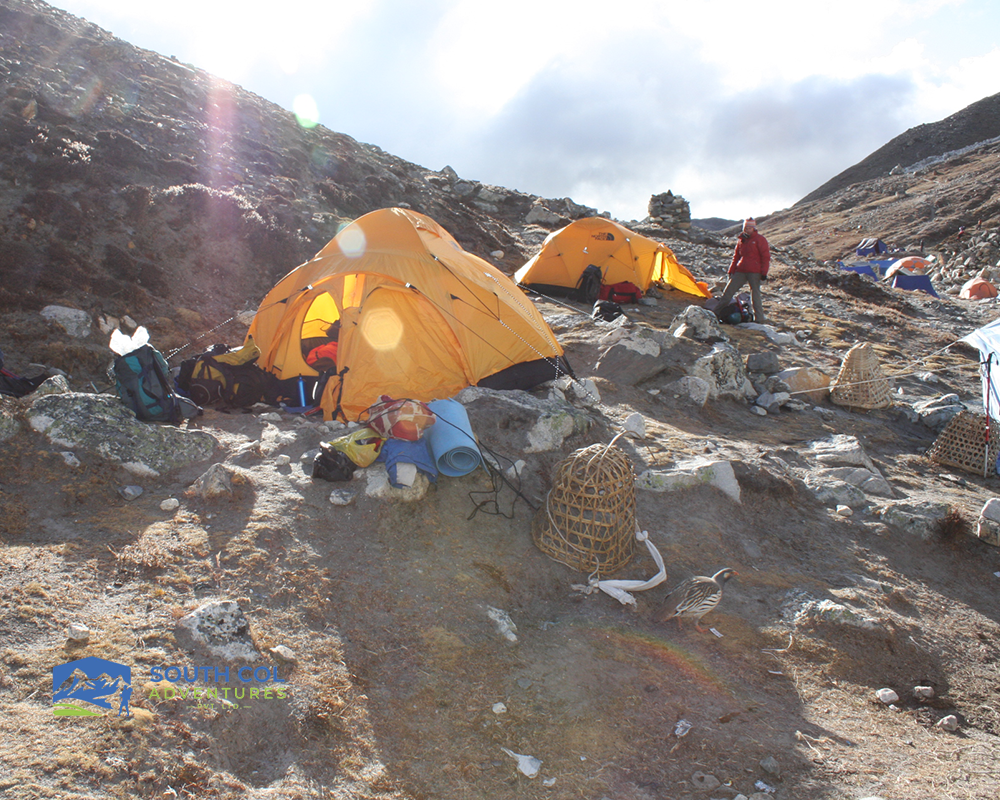
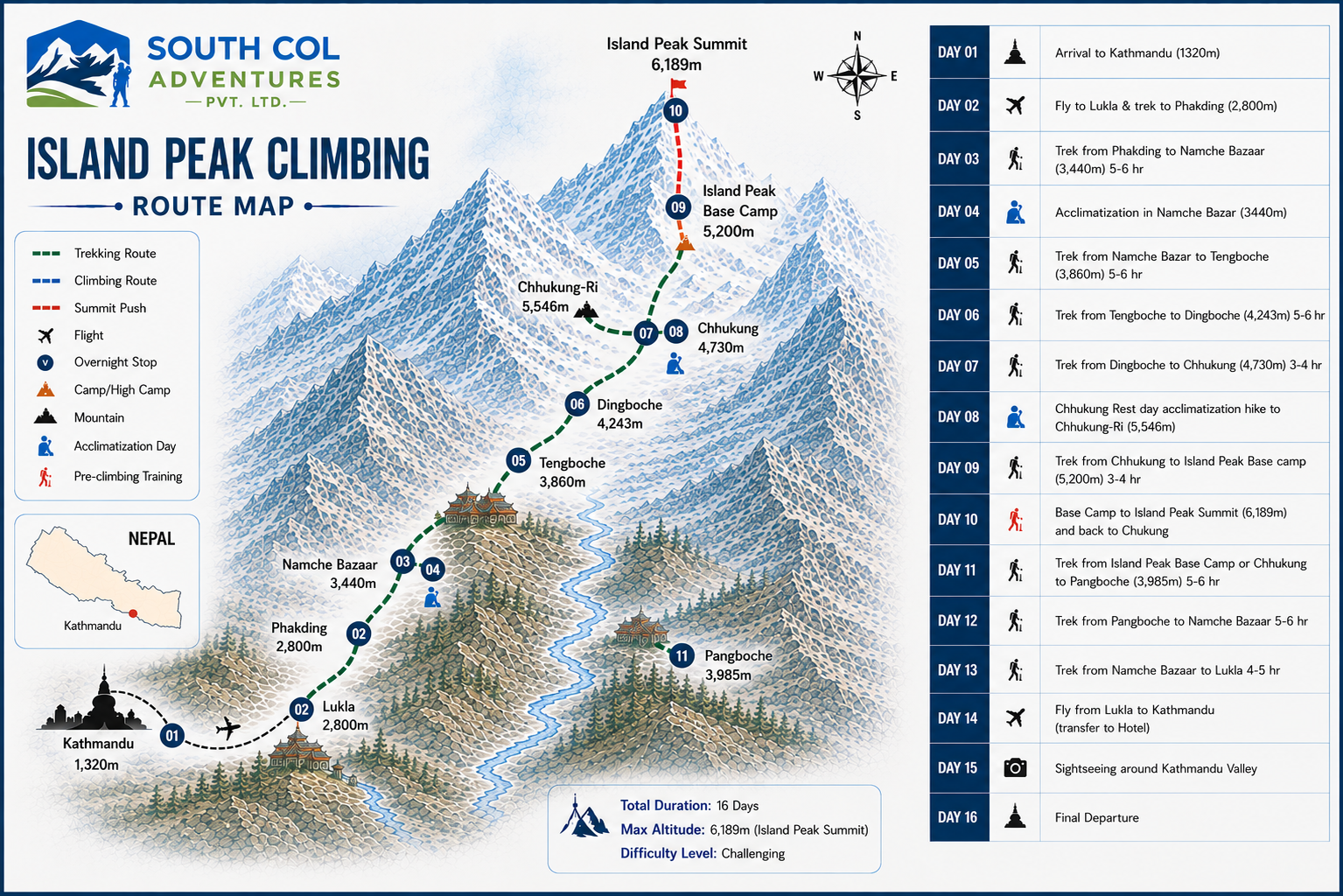
The Island Peak Climbing route follows the classic Everest-region trail before turning toward the upper Imja Valley and Chhukung. Climbers generally trek through Lukla, Phakding, Namche Bazaar, Tengboche, Dingboche and Chhukung, allowing gradual acclimatization while experiencing the Sherpa villages, monasteries and spectacular mountain scenery of the Khumbu. From Chhukung, the trail continues through rocky terrain and glacial moraines toward Island Peak Base Camp at approximately 5,200 m.
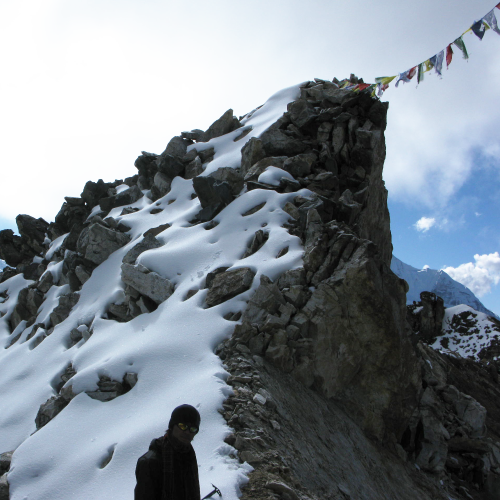
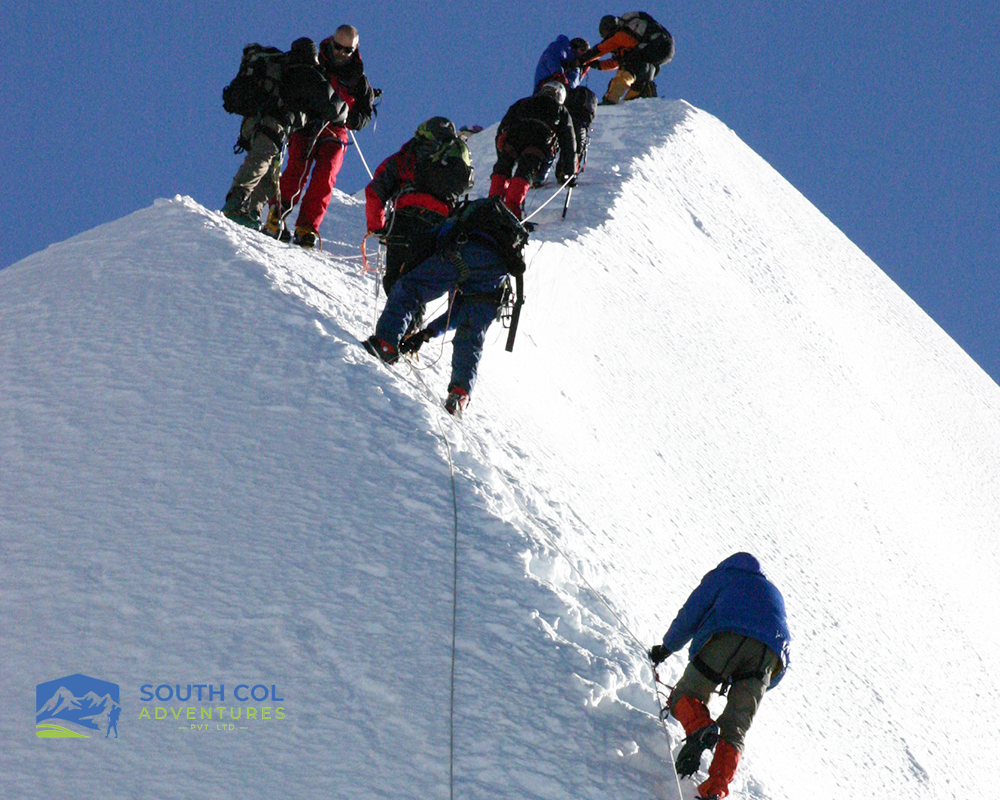
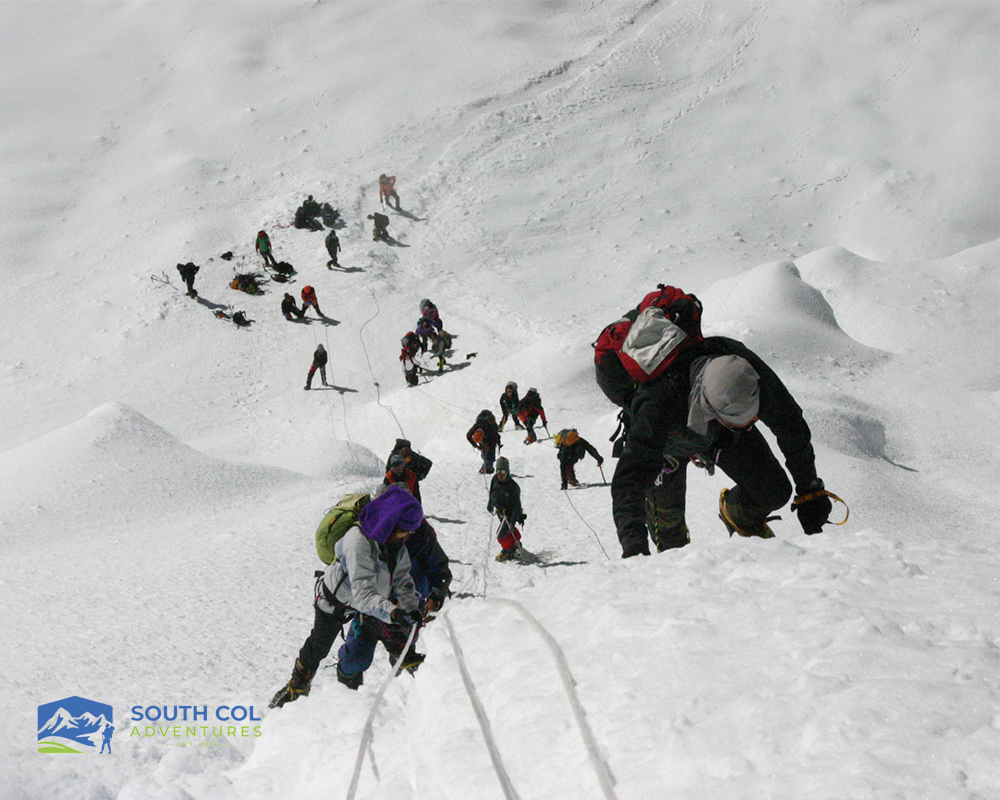
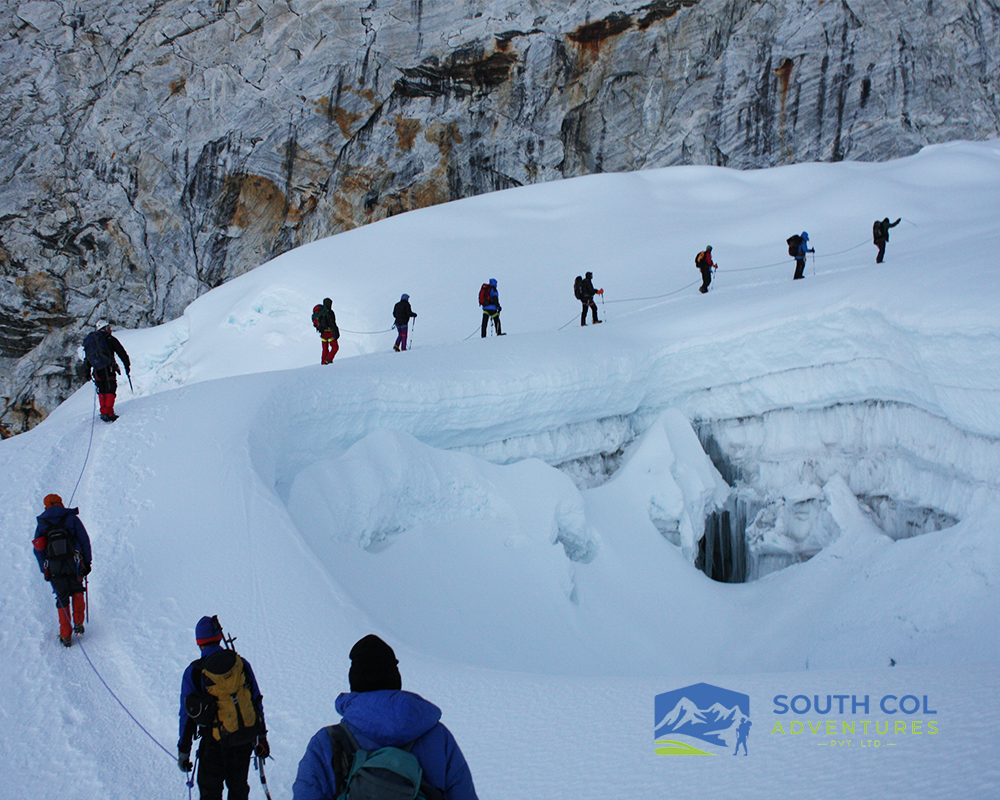
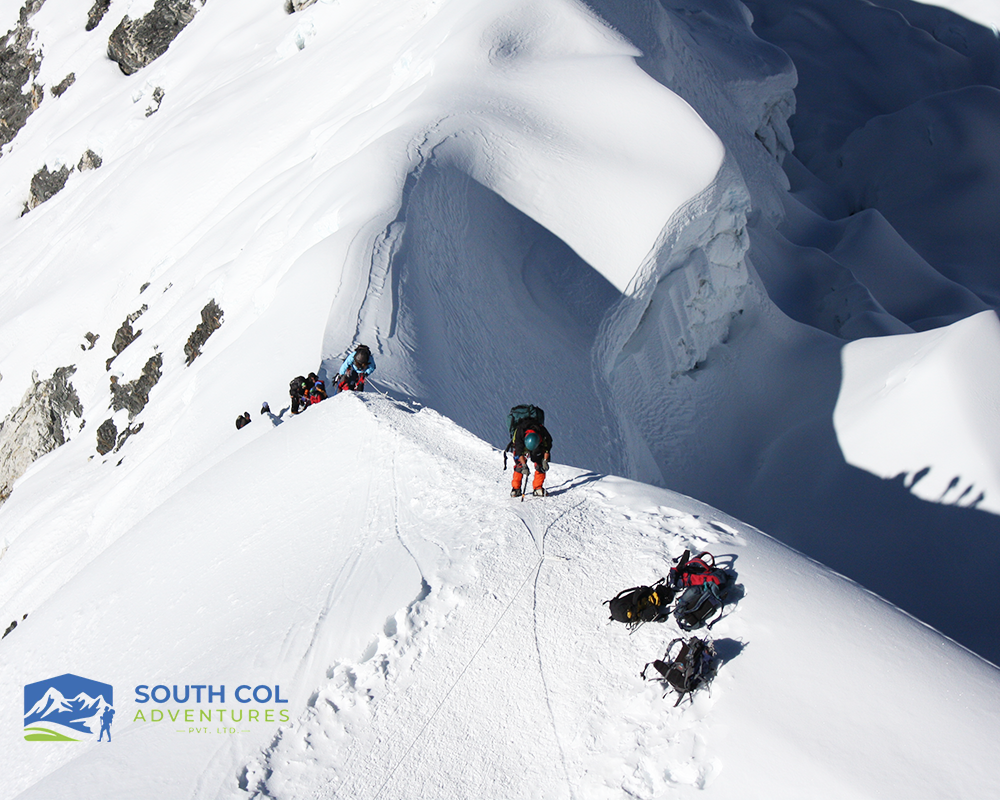
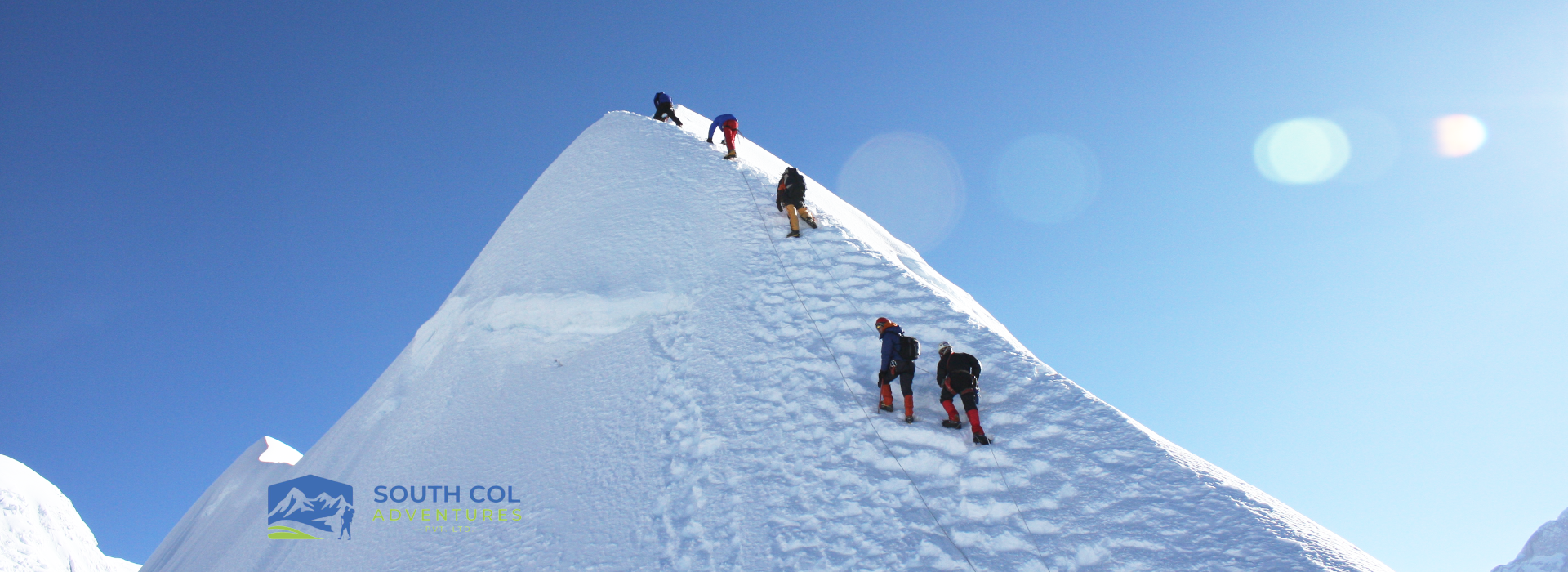
After climbing preparation and acclimatization at Base Camp, the summit attempt normally begins in the early hours. The route crosses glacial terrain and reaches the steeper upper section, where climbers use crampons, harnesses, ascenders and fixed ropes as required. After reaching the 6,189-meter summit, the team carefully descends through the glacier and climbing sections before returning toward Chhukung.
Island Peak Climbing Difficulty
Island Peak is considered a challenging trekking peak because the summit involves actual mountaineering rather than simply high-altitude trekking. The approach to Base Camp is primarily trekking terrain, while the summit section involves glacier travel, steep snow and ice, fixed ropes and a demanding summit day.
Previous technical climbing experience can be helpful, but climbers can learn essential techniques during the pre-climbing training session. Participants should have strong physical fitness, good endurance and preferably previous experience trekking at high altitude.
Best Time for Island Peak Climbing
Spring: March–May
Autumn: September–November
Spring brings improving weather, longer daylight hours and excellent mountain scenery. April and May are particularly popular for Himalayan climbing, although conditions can change quickly at high altitude.
Autumn generally offers dry conditions, excellent visibility and stable mountain weather following the monsoon. October and November are among the most popular months for Island Peak climbing.
Winter climbs are possible but involve significantly colder conditions, snowy and require greater preparation while monsoon may cause rain, clouds, and challenging trail conditions.
Acclimatization for Island Peak Climbing
Proper acclimatization is essential because the summit reaches 6,189 meters. The standard approach through the Khumbu allows gradual elevation gain, with acclimatization typically incorporated around Namche Bazaar and Dingboche before reaching Chhukung.
For the Chhukung joining program, trekkers should already be properly acclimatized before starting the climbing section. At Island Peak Base Camp, the climbing team provides preparation and practical instruction before the summit attempt.
Island Peak Climbing Training
Before the summit attempt, climbers receive practical training to build the skills and confidence required for high-altitude mountaineering. The training covers essential techniques such as:
- Crampon and ice-axe techniques
- Harness, carabiner, and ascender use
- Fixed-rope climbing and rope safety
- Glacier travel and crevasse awareness
- Safe movement on steep snow and ice
- Basic climbing, rappelling, and descent techniques
This hands-on preparation helps climbers understand the mountain environment and is especially beneficial for those attempting their first technical Himalayan peak.
Physical Fitness and Preparation
Island Peak Climbing requires a good level of cardiovascular fitness, endurance and mental preparation. You should be comfortable walking for several hours on consecutive days and ascending steep, uneven and rocky terrain.
Recommended preparation includes:
- Regular hiking and long-distance walking
- Cardiovascular training
- Strength and endurance exercises
- Stair and uphill training
- Training with a backpack
- Previous high-altitude trekking experience
- Practice using appropriate trekking and climbing equipment
Why Climb Island Peak?
If you are searching for a technical 6,000-meter peak climbing adventure in Nepal, Island Peak is an excellent choice. Its location in the Everest region, challenging summit route, spectacular mountain scenery and convenient connection with Chhukung make it particularly attractive to trekkers who want to progress from high-altitude trekking into Himalayan mountaineering.
The expedition also allows you to experience the Khumbu Valley, Sherpa culture and iconic Everest-region landscapes while developing practical climbing skills. For trekkers already undertaking the Everest Base Camp or Three Passes route, adding Island Peak creates a memorable combination of trekking and mountaineering.
Island Peak Summit Experience
The summit attempt generally begins during the early hours to maximize the chance of favorable climbing conditions. From Base Camp, the route crosses glacial terrain before reaching the steeper upper section and fixed-rope climbing areas. Climbers continue carefully toward the summit ridge under the guidance of the climbing team.
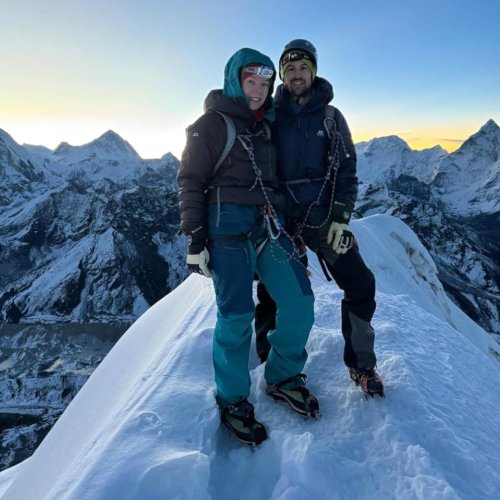
Reaching the 6,189-meter summit of Island Peak provides a spectacular reward. The summit panorama includes Lhotse, Nuptse, Ama Dablam, Makalu, Baruntse and numerous surrounding peaks. After enjoying the views, climbers begin the careful descent back through the upper climbing section and glacier toward Base Camp and Chhukung.
Island Peak Climbing Cost
The Island Peak Climbing cost depends on the itinerary, group size, season, permits, transportation, accommodation, climbing support and services included in the package.
South Col Adventures currently lists its 16-day Island Peak package from US$2,100, although travelers should confirm the latest price and inclusions before booking.
Island Peak Climbing with South Col Adventures
Choosing an experienced local operator is an important part of a successful Island Peak expedition. South Col Adventures combines local Himalayan knowledge, experienced climbing guides, acclimatization planning and reliable logistics to provide a safe and well-organized climbing experience.
Our Island Peak climbing program is designed for travelers who want more than a conventional Everest-region trek. From the Sherpa villages and dramatic landscapes of the Khumbu to the glacier and fixed-rope sections of Island Peak, the journey combines culture, adventure, technical climbing and high-altitude mountaineering.
We focus on:
- Experienced trekking and climbing guides
- Carefully planned acclimatization
- Professional Island Peak climbing guidance
- Climbing preparation and technical training
- Required permits and documentation
- Reliable transportation and logistics
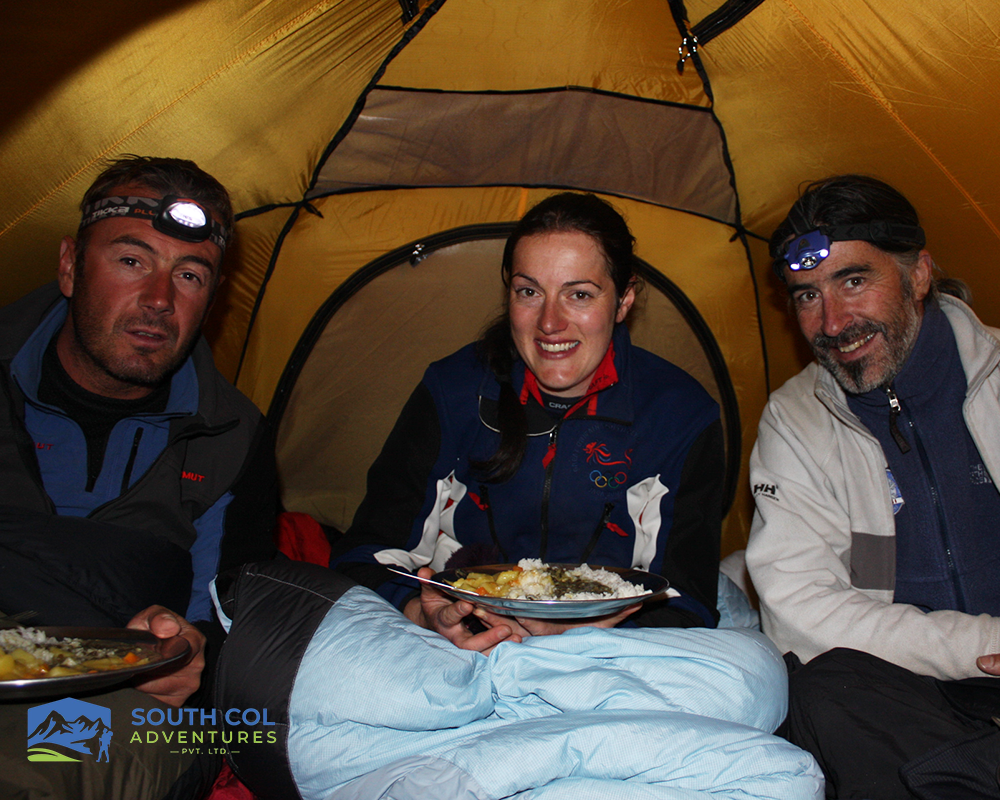
- Base Camp food and accommodation
- Essential climbing equipment and support
- Safety-focused summit planning
- Flexible weather contingency arrangements
- Personalized service
- Responsible and sustainable tourism
Island Peak Climbing with South Col Adventures offers a rewarding combination of Everest-region trekking, genuine mountaineering, Sherpa culture and the achievement of reaching a 6,189-meter Himalayan summit.