About Mera Peak Climbing (6,476 M)
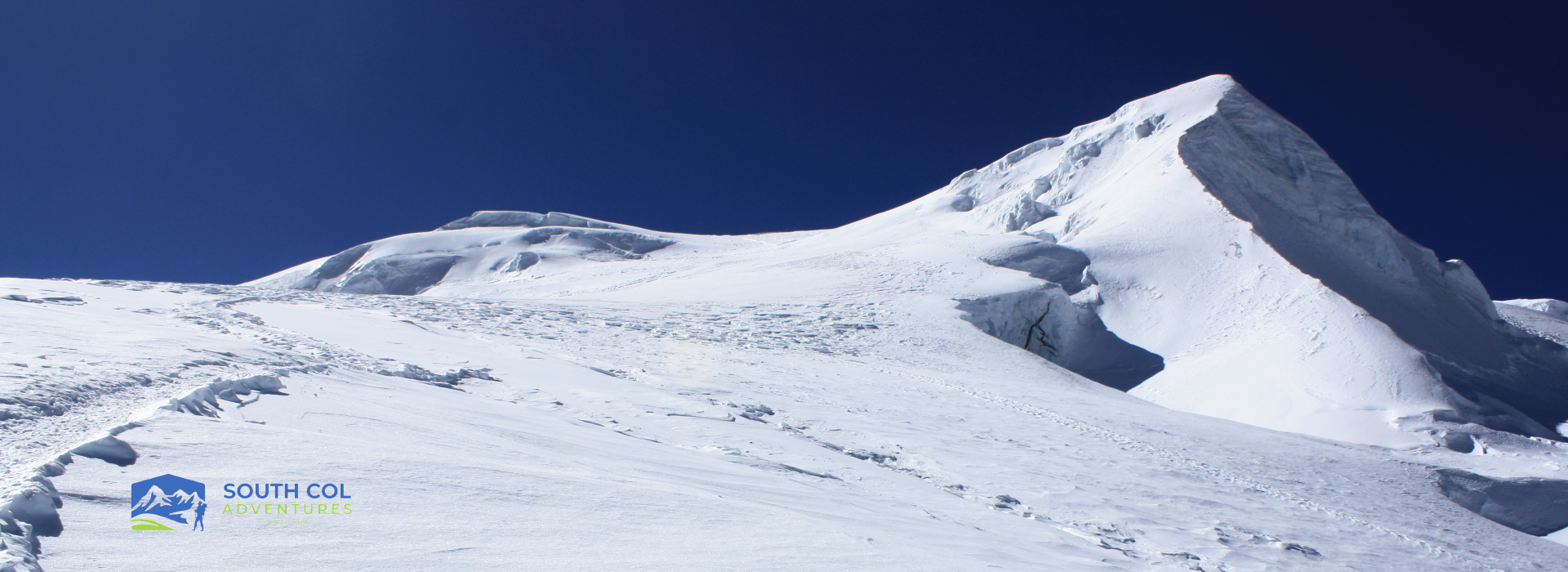
Mera Peak Climbing is one of Nepal's most rewarding high-altitude adventures, taking you deep into the remote Hinku Valley of eastern Nepal and to the 6,476-meter (21,247-foot) summit of Mera Peak. Recognized as one of Nepal's highest and most popular trekking peaks, Mera Peak combines remote Himalayan trails, traditional mountain villages, alpine wilderness and spectacular views of Everest, Lhotse, Makalu, Cho Oyu, Kanchenjunga and Baruntse.
Mera Peak also has an important place in Nepal's mountaineering history. Mera Central was first climbed by Col. J. O. M. Roberts and Sherpa Sen Tenzing on 20 May 1953, shortly before the first ascent of Mount Everest. Today, the mountain remains a sought-after objective for fit trekkers and aspiring mountaineers who want to experience a 6,000-meter Himalayan summit without undertaking a highly technical expedition.
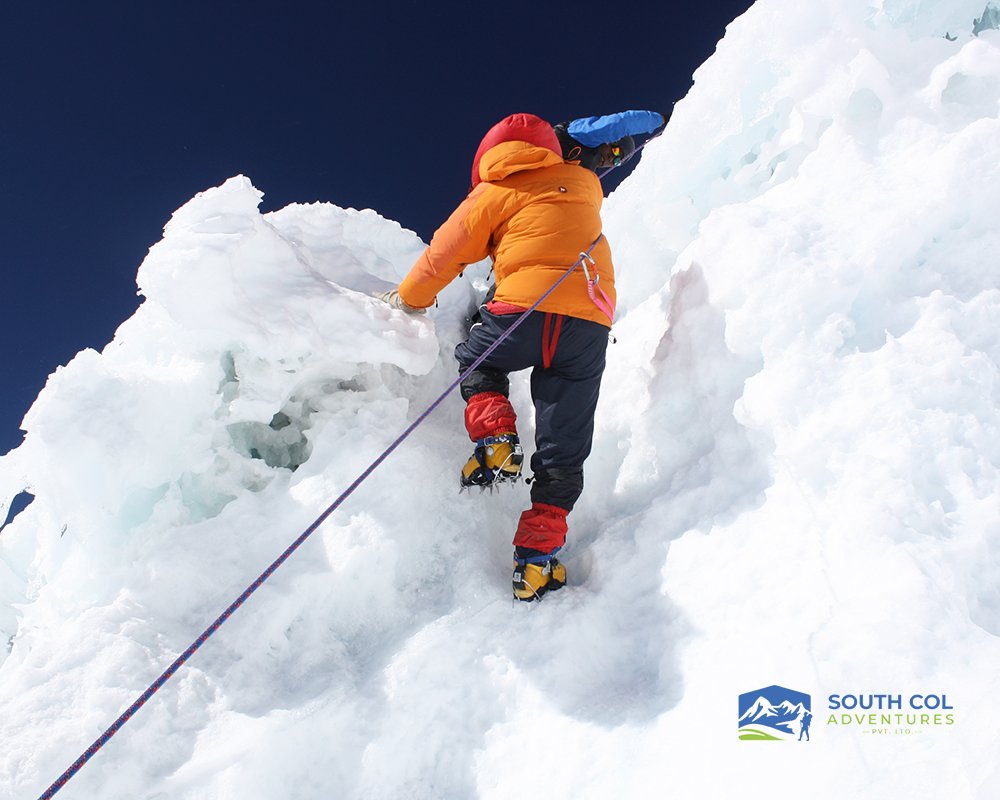
Although the standard Mera Peak route is considered relatively straightforward from a technical perspective, 6,476 meters makes the climb a serious physical and high-altitude challenge. Snow and glacier conditions may require crampons, an ice axe, harness, helmet and rope, while proper acclimatization, physical preparation and experienced mountain support are essential. With South Col Adventures, the 18-day expedition combines gradual acclimatization, climbing preparation at Khare, professional climbing guidance and carefully planned logistics for a rewarding journey from the Hinku Valley to the summit of Mera Peak.
The adventure is particularly attractive to climbers seeking a high-altitude and comparatively less technical alternative to other popular Nepal trekking peaks such as Island Peak, Lobuche Peakand Tengkoma Peak. Compared with these peaks, Mera offers a higher summit and a more remote approach through the Hinku Valley. With its magnificent mountain views, remote wilderness, Himalayan culture and rewarding summit experience, Mera Peak Climbing in Nepal is an excellent choice for adventurers preparing for more challenging mountaineering objectives.
Mera Peak Climbing - Key Highlights
- Reach the 6,476m summit of Mera Peak, one of Nepal's highest trekking peaks.
- Trek through the spectacular and less-crowded Hinku Valley.
- Experience traditional Himalayan villages and Sherpa culture.
- Walk through rhododendron, bamboo and alpine forests.
- Explore Makalu-Barun and Sagarmatha National Parks, home to diverse Himalayan flora and fauna.
- Cross rugged glacial moraines and high-altitude landscapes.
- Enjoy panoramic views of Everest, Lhotse, Makalu, Cho Oyu and Kanchenjunga.
- Spend a dedicated acclimatization and climbing-training day at Khare.
- Learn basic crampon, ice axe, harness and rope techniques before climbing.
- Experience a challenging early-morning summit ascent.
- Cross the scenic Zatrwa La Pass on the return to Lukla.
- Combine remote trekking and Himalayan peak climbing in one 18-day adventure.
What Is Mera Peak?
Mera Peak is a 6,476-meter Himalayan summit in eastern Nepal, approached through the remote Hinku Valley. It is one of the country's most popular high-altitude trekking peaks and has become an important stepping stone for climbers progressing toward more technical and higher Himalayan objectives.
Mera Peak is particularly attractive because it combines a demanding high-altitude environment with a comparatively straightforward climbing route. However, the mountain should not be mistaken for an easy trek. At more than 6,400 meters, reduced oxygen, cold temperatures, snow and glacier conditions can make the climb physically demanding.
Why Climb Mera Peak?
1. Reach a 6,476m Himalayan Summit
Mera Peak offers the opportunity to stand above 6,400 meters without committing to the highly technical climbing involved on many larger Himalayan mountains.
2. Explore the Remote Hinku Valley
The approach through Hinku Valley is one of the defining attractions of the expedition. The trail passes through forests, mountain settlements, river valleys and increasingly dramatic alpine terrain.
3. Experience Himalayan Peak Climbing
The journey combines trekking with genuine mountaineering skills, including crampon use, ice-axe techniques, rope systems and glacier travel.
4. See the World's Highest Mountains
From the upper slopes and summit, weather permitting, climbers can see Everest, Lhotse, Makalu, Cho Oyu and Kanchenjunga, together with numerous other Himalayan peaks.
5. Prepare for Future Mountaineering
Mera Peak can be an excellent progression for trekkers planning to move toward more demanding Himalayan climbing objectives.
Mera Peak Climbing Route
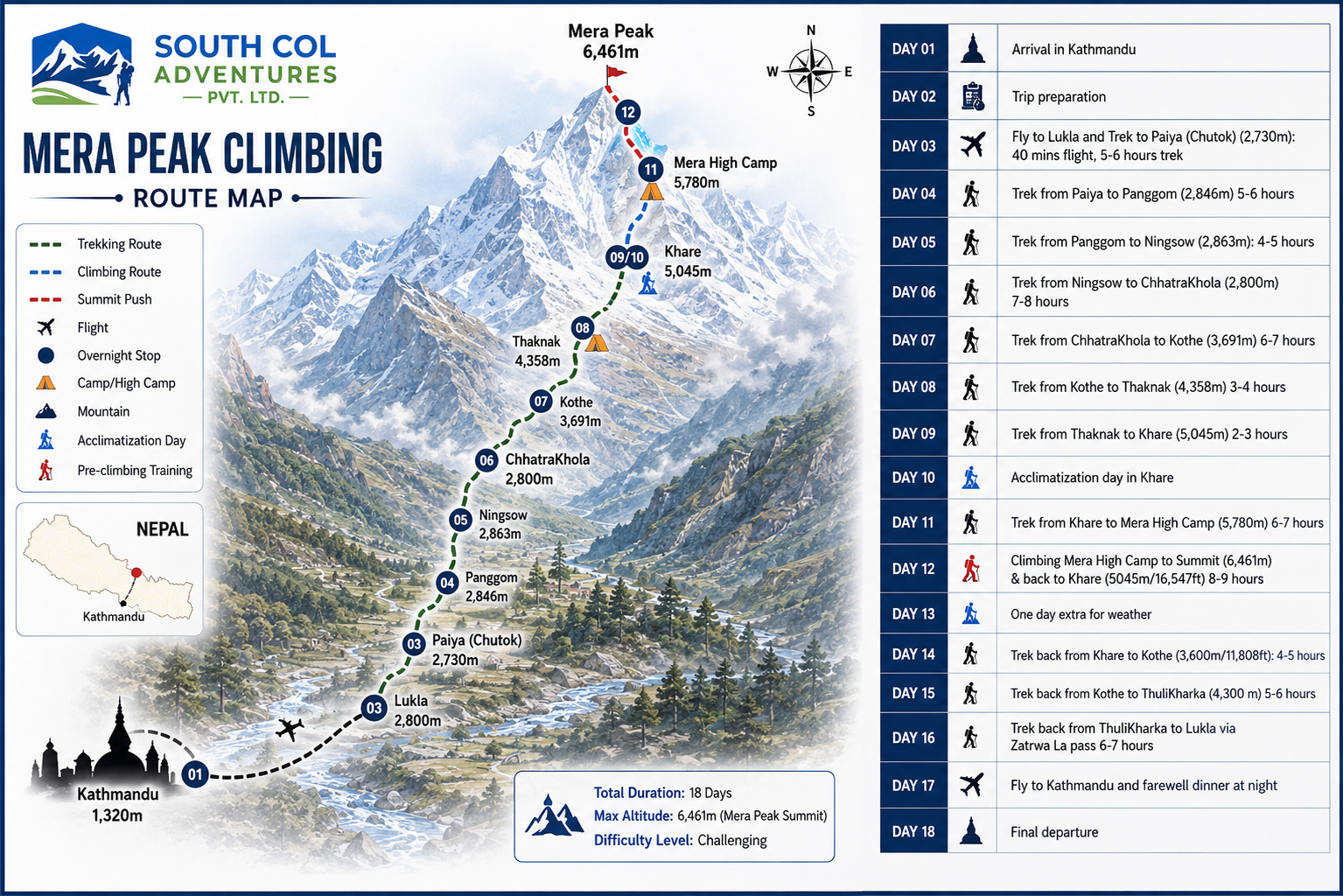
The Mera Peak climbing route begins with a flight from Kathmandu to Lukla and then follows a quieter trail into the Hinku Valley.
Main Route
Kathmandu → Lukla → Paiya → Panggom → Ningsow → Chhatra Khola → Kothe → Thaknak → Khare → Mera High Camp → Mera Peak Summit → Khare → Kothe → Thuli Kharka → Zatrwa La → Lukla → Kathmandu
The route gradually moves from forested lower valleys into alpine and glacial environments. After reaching Khare, the expedition focuses on acclimatization and climbing preparation before moving to Mera High Camp and attempting the summit. The return route crosses Zatrwa La before reaching Lukla
Mera Peak Climbing Difficulty
Mera Peak is technically moderate but physically demanding because of its 6,476-meter altitude.
The standard route does not involve the same level of technical climbing as many higher Himalayan peaks, but climbers still need to be prepared for:
- High-altitude trekking
- Snow and glacier terrain
- Cold temperatures
- Long summit-day hours
- Crampon use
- Ice-axe use
- Rope travel
- Steep and uneven terrain
- Low oxygen levels
- Rapidly changing mountain weather
The most important factor is therefore not simply technical climbing ability, but fitness, acclimatization, endurance and preparation.
Can Beginners Climb Mera Peak?
Fit and well-prepared beginners can potentially climb Mera Peak with professional mountain support, particularly if they have previous trekking experience.
However, Mera Peak should not be treated as a beginner-level trek. A first-time peak climber must be prepared to walk for several hours on consecutive days, cope with extreme altitude and learn basic mountaineering skills.
Previous experience with crampons, ice axes or glacier travel is beneficial but can be learned during a properly organized expedition. South Col Adventures includes climbing preparation at Khare, where the climbing team demonstrates the use of equipment and basic techniques.
Mera Peak Summit Experience
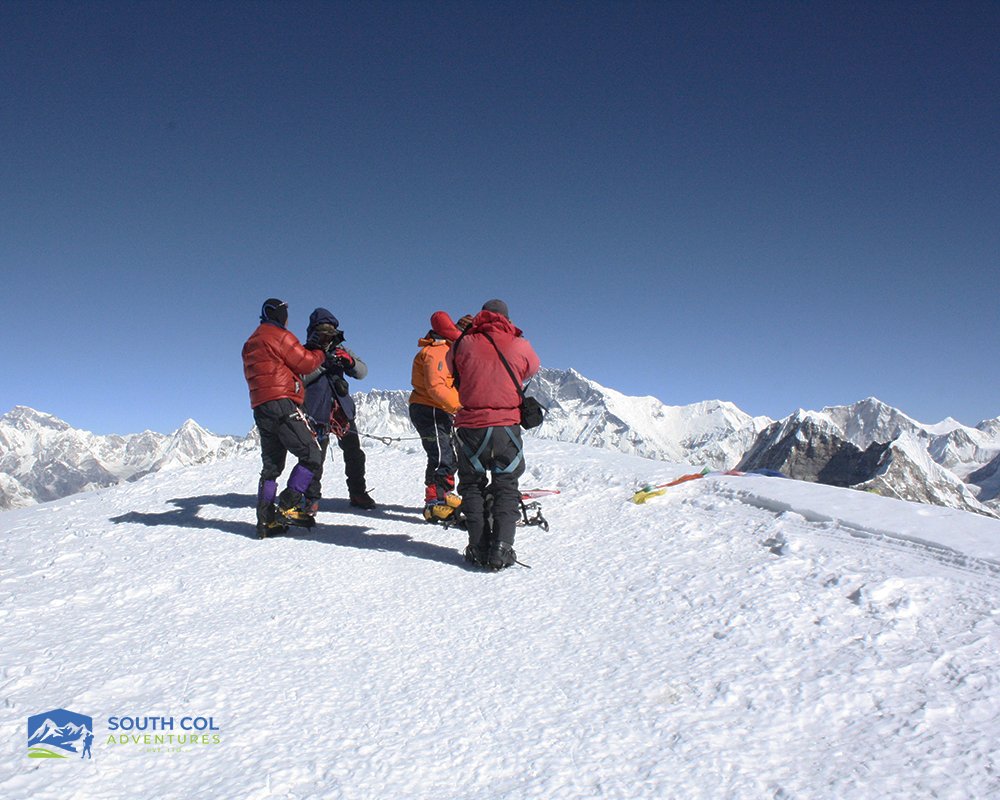
Standing on the 6,476-meter summit of Mera Peak is the defining moment of the expedition.
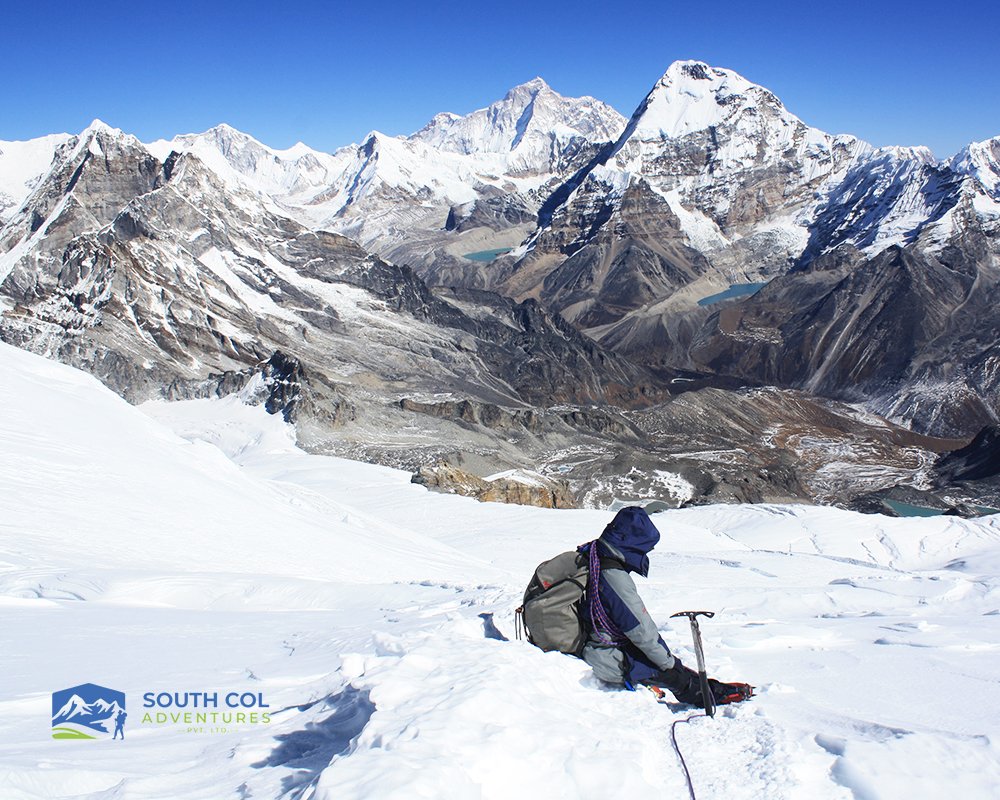
The summit climb begins before dawn, when temperatures are extremely cold and the surrounding mountains are often hidden in darkness. As the team climbs higher, the first light of morning gradually illuminates the Himalayan skyline.
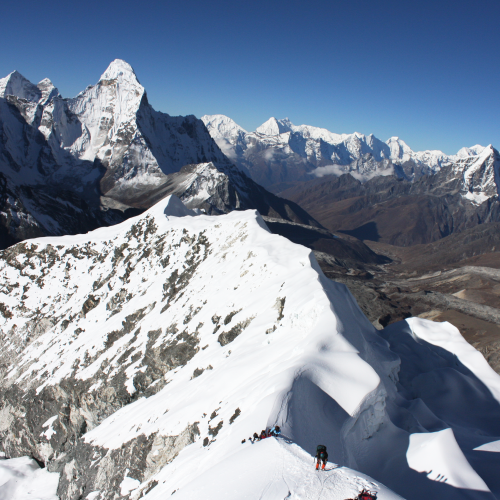
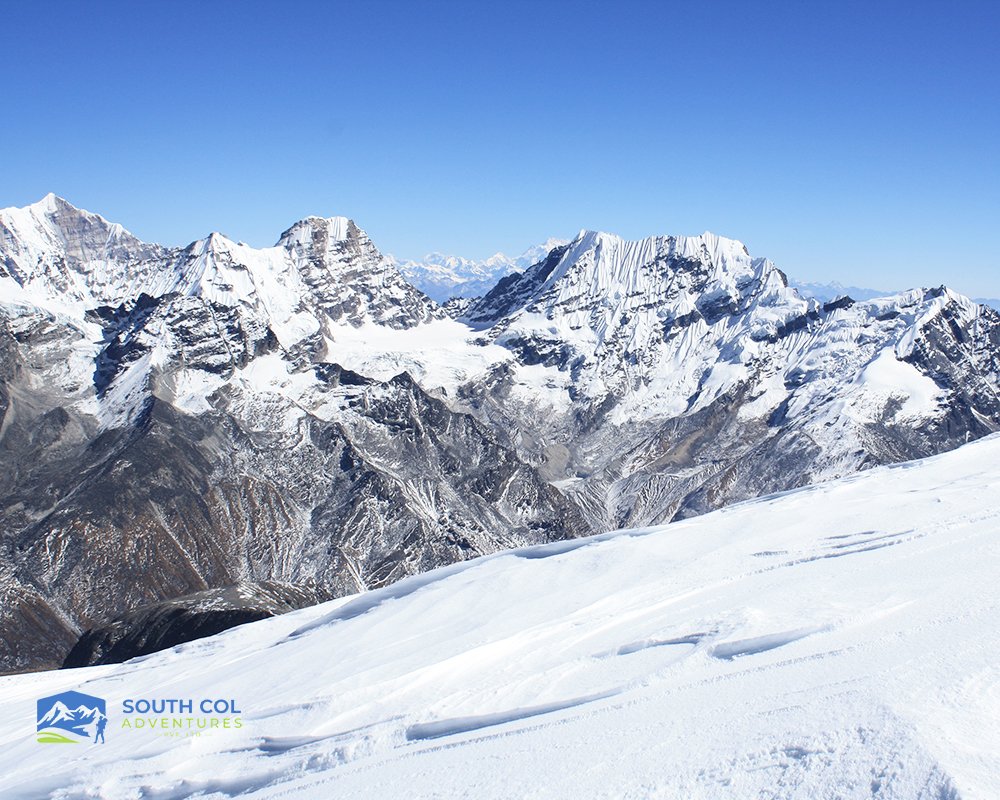
Reaching the summit rewards you with an expansive panorama of some of the world's highest mountains. Depending on weather and visibility, the view can include Mount Everest, Lhotse, Makalu, Cho Oyu, Kanchenjunga, Baruntse, Chamlang and Ama Dablam.
The summit experience is not simply about reaching a number on an altitude chart. It represents the culmination of days of trekking, acclimatization, preparation, teamwork and perseverance.
Mera Peak Climbing Cost
South Col Adventures currently offers the 18-day Mera Peak Climbing package from US$2,400 per person. The exact price, availability and package inclusions should be confirmed at the time of booking.
The cost covers major expedition logistics including transportation, accommodation in Kathmandu, domestic flights, permits, climbing leadership, porters, meals during the trekking period, base-camp services and group climbing equipment, according to the current package details.
The overall cost of a Mera Peak expedition can be influenced by the group size, season, Domestic flight arrangements, itinerary, permits, transportation, accommodation, climbing services and equipment requirements. Please refer to the “Cost Details” tab for a complete list of package inclusions and exclusions.
Mera Peak Climbing Permits
Climbing Mera Peak requires the necessary mountaineering, conservation area and trekking permits. Permit requirements and fees may vary depending on the route and current regulations. The required permits may include:
- Mera Peak Climbing Permit/Royalty
- Sagarmatha National Park Permit
- Pasang Lhamu Rural Municipality Permit
South Col Adventures handles the required permits, government fees and official documentation as part of the Mera Peak Climbing package, allowing climbers to focus on preparation and the expedition.
Best Time for Mera Peak Climbing
Spring: March–May
Autumn: September–November
Spring offers favorable climbing conditions, improving weather and excellent mountain views. Rhododendrons also add color to the lower trekking sections. Autumn is one of the most popular seasons for Mera Peak climbing because of generally stable weather, clear mountain views and good trekking conditions.
Winter (December–February) climbs are possible but bring significantly colder temperatures, snow-covered trails and more demanding conditions, requiring additional preparation and appropriate winter gear. Monsoon (June–August) brings frequent rainfall, cloud cover and potentially challenging trail conditions, making this period generally less favorable for the standard Mera Peak climbing itinerary.
South Col Adventures recommends Spring and Autumn as its primary climbing seasons
Mera Peak Altitude & Acclimatization
Reaching 6,476 meters (21,247 feet), Mera Peak presents a significant high-altitude challenge. The carefully designed itinerary allows climbers to gain elevation gradually, giving the body valuable time to adapt as the route progresses from Kathmandu at 1,320 meters through the Hinku Valley to Khare, Mera High Camp and finally the summit.
Key Altitudes Along the Mera Peak Route
- Kathmandu: 1,320m
- Paiya: 2,730m
- Panggom: 2,846m
- Ningsow: 2,863m
- Kothe: 3,691m
- Thaknak: 4,358m
- Khare: 5,045m
- Mera High Camp: approximately 5,780m
- Mera Peak Summit: 6,476m
A dedicated acclimatization and climbing-training day at Khare (5,045m) is an important part of the expedition. Climbers can rest, take a short acclimatization hike and practice essential mountaineering skills, including the use of crampons, ice axe, harness and climbing rope, before moving toward Mera High Camp and the summit.
Proper acclimatization, steady pacing, hydration and awareness of altitude-related symptoms are essential for a safe and successful Mera Peak climbing experience.
Physical Preparation for Mera Peak Climbing
A good level of cardiovascular fitness and endurance is recommended for the Mera Peak expedition. You should be comfortable trekking for several hours on consecutive days and walking on steep, uneven and rocky terrain.
Recommended Preparation
- Regular hiking and long-distance walking
- Cardiovascular training
- Leg and core strength training
- Stair climbing
- Uphill hiking with a backpack
- Endurance training
- Previous experience at high altitude where possible
Starting your preparation several months before the expedition can significantly improve your comfort and confidence.
Mera Peak Climbing with South Col Adventures
Choosing the right operator is particularly important when climbing above 6,000 meters. South Col Adventures combines local Himalayan knowledge, experienced climbing guides, reliable logistics and carefully structured 18-day itinerary.
Our Mera Peak expedition focuses on:
- Multiple-time Mera Peak summit experience
- Carefully planned acclimatization
- Professional Mera Peak climbing guidance
- Reliable transportation and trekking logistics
- Organized permits and documentation
- Quality porter and camping support
- Essential climbing equipment and training
- Flexible contingency planning for mountain weather
- Safety-focused summit planning
- Personalized service and responsible tourism
The goal is to provide more than transportation to the mountain: it is to create a well-planned, safety-conscious and rewarding Himalayan climbing experience.
Mera Peak vs Island Peak vs Lobuche Peak
Mera Peak, Island Peak and Lobuche Peak are three of Nepal's most popular trekking peaks, but each offers a different climbing experience. Mera Peak is the highest of the three and is best suited to climbers seeking a high-altitude, remote Himalayan experience. Island Peak is a stronger choice for those looking for a more technical climbing challenge in the Everest region, while Lobuche Peak is ideal for trekkers who want to combine peak climbing with the classic Everest Base Camp route.
| Feature | Mera Peak | Island Peak | Lobuche Peak |
|---|---|---|---|
| Elevation | 6,476m | 6,189m | 6,119m |
| Main advantage | Higher altitude & remote wilderness | More technical climbing | Everest Base Camp combination |
| Route | Hinku Valley | Khumbu Valley | Everest Base Camp region |
| Climbing character | Less technical but physically demanding | More technical | Technical sections |
| Mountain experience | Remote Himalayan expedition | Everest-region climbing | Everest trekking + climbing |
| Best suited for | High-altitude summit seekers | Technical climbing enthusiasts | EBC + peak climbing |
Mera Peak vs Tengkoma Peak - The best alternative
For climbers seeking an alternative to the popular Mera Peak, Tengkoma Peak (6,215m) offers a more remote and less-crowded Himalayan experience in the Kanchenjunga region. While Mera Peak (6,476m) is higher and follows a more established route through the Hinku Valley, Tengkoma stands out for its wilderness, solitude and proximity to Kanchenjunga North Base Camp(Pangpema). Mera Peak is ideal for a higher and comparatively less technical summit, while Tengkoma Peak is a strong choice for those seeking remote trails and an authentic off-the-beaten-path climbing adventure.
Mera Peak Ski Mountaineering
Mera Peak is also an exceptional destination for ski mountaineering in Nepal, offering experienced skiers and snowboarders the opportunity to combine high-altitude climbing with an exhilarating descent on snow-covered Himalayan slopes. Its broad summit terrain and relatively straightforward climbing route make it an attractive objective for ski touring and ski mountaineering, although proper climbing skills, acclimatization and specialized equipment are essential. South Col Adventures can support the expedition with experienced guides, climbing logistics and high-altitude preparation for those planning to bring skis or a snowboard.
Book Your Mera Peak Climbing Adventure
Ready to climb Mera Peak at 6,476 meters?
Join South Col Adventures for an 18-day Himalayan expedition through the remote Hinku Valley, combining high-altitude trekking, climbing preparation, professional mountain support and the unforgettable experience of standing on one of Nepal's highest trekking peaks.
Check Availability → Book Mera Peak Climbing → Ask Our Climbing Team
-in-everest-region,-nepal.jpg)