About Manaslu Expedition (8,163M)
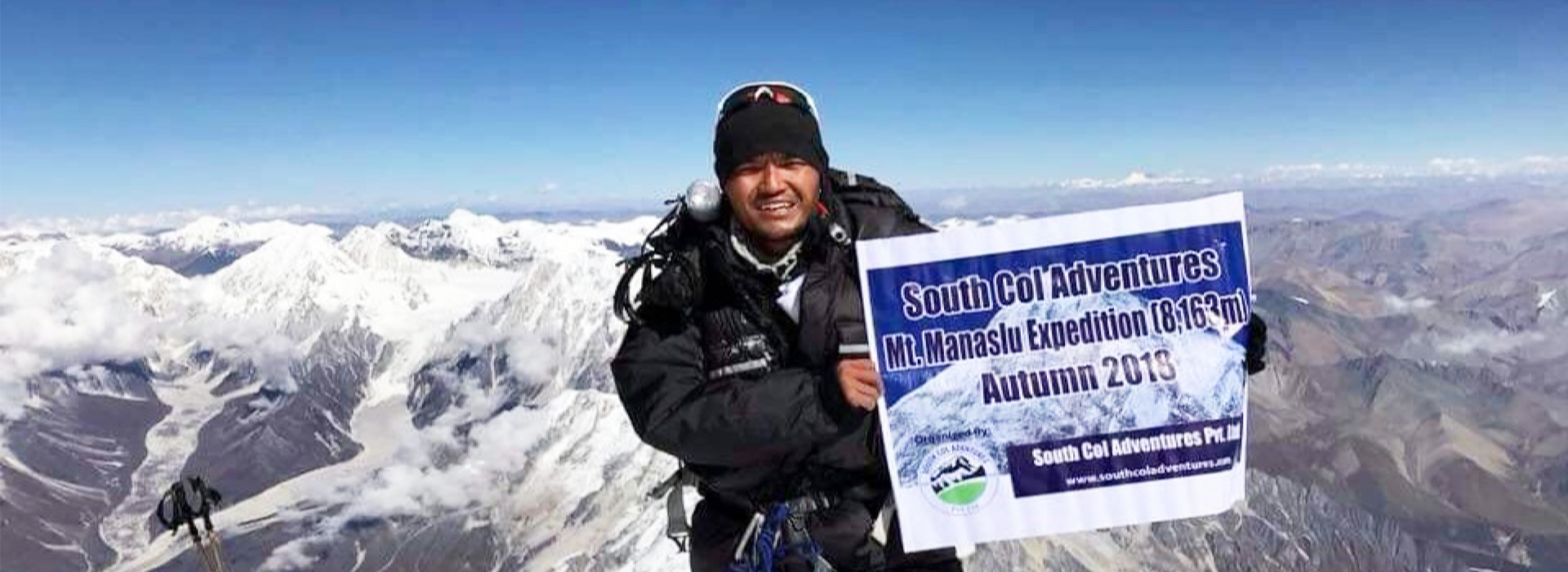
Manaslu Expedition is a challenging high-altitude mountaineering adventure to the summit of Mount Manaslu (8,163 m / 26,781 ft), the eighth-highest mountain in the world. Located in the Mansiri Himal range of Nepal, Manaslu is renowned for its dramatic Himalayan landscapes, challenging climbing terrain, rich Tibetan-influenced culture, and remote mountain environment. The name Manaslu is associated with the Sanskrit term Manasa, often interpreted as the "mountain of the spirit." The mountain was first successfully climbed in 1956 by members of a Japanese expedition.
The Manaslu 8,000 m Expedition combines a demanding approach trek through the Manaslu region with a carefully planned high-altitude climbing program. The journey passes through Besisahar, Dharapani, Tilije, Bhimthang, Larkya La, Samdo and Samagaun before reaching Manaslu Base Camp. From Base Camp, climbers enter the expedition phase, undertaking acclimatization and climbing rotations through the higher camps before making the final summit attempt. South Col Adventures provides experienced climbing support, high-camp logistics, fixed-rope systems, communication equipment, oxygen arrangements and Base Camp services for the expedition.
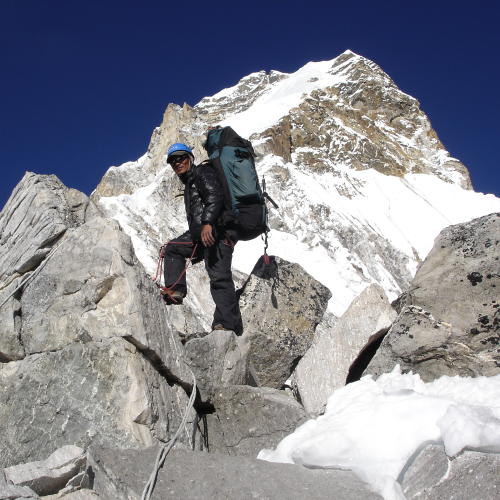
Unlike a standard trekking or peak-climbing adventure, climbing Manaslu requires advanced preparation, strong physical endurance, high-altitude experience and technical mountaineering skills. Climbers must be prepared for extreme cold, thin air, steep snow and ice, glacier terrain, fixed ropes, rapidly changing weather and the physical demands of prolonged exposure above 7,000 meters.
Mount Manaslu Climbing History
Located in the Mansiri Himal range, Manaslu attracted international climbers during the 1950s. After several attempts by Japanese expeditions, the first successful ascent was made on 9 May 1956 by Toshio Imanishi and Gyalzen Norbu Sherpa. This historic climb established Manaslu as an important destination for Himalayan mountaineering.
Today, Manaslu climbing remains a demanding adventure for experienced mountaineers. The expedition passes through Larkya La, Samagaun and Manaslu Base Camp before continuing through the higher camps toward the 8,163-meter summit. Extreme altitude, cold temperatures, glacier terrain, steep snow and ice, changing weather and low oxygen make the Manaslu Expedition a serious but highly rewarding 8,000-meter climbing experience.
Why Climb Manaslu?
If you are looking for a challenging 8,000-meter mountaineering adventure in Nepal, the Manaslu Expedition offers an exceptional opportunity to climb Mount Manaslu at 8,163 meters, the eighth-highest mountain in the world. The expedition combines high-altitude climbing, glacier travel, fixed-rope sections, acclimatization rotations and a demanding summit push, making it an ideal objective for experienced mountaineers seeking to expand their Himalayan climbing experience.
Beyond the summit, the Manaslu Expedition in Nepal takes you through one of the country's most remote and culturally rich Himalayan regions. The journey passes through traditional villages such as Samagaun and Samdo, crosses the spectacular Larkya La Pass, and explores Tibetan Buddhist monasteries, alpine valleys and dramatic mountain landscapes. With its combination of Manaslu climbing, 8,000-meter mountaineering, remote Himalayan wilderness and authentic mountain culture, Manaslu is a rewarding choice for experienced climbers pursuing a prestigious Himalayan summit.
Manaslu Expedition Route
The Manaslu Expedition route combines a scenic approach trek through the remote Manaslu region with a challenging ascent of Mount Manaslu (8,163 m). The journey begins in Kathmandu and continues by road to Besisahar and Dharapani, followed by trekking through Tilije and Bhimthang. The route then crosses Larkya La Pass (5,160 m) before reaching Samdo and Samagaun (3,780 m). After acclimatization at Samagaun, climbers continue to Manaslu Base Camp (approximately 4,800 m), where the expedition climbing phase begins.
From Base Camp, climbers make progressive acclimatization rotations through Camp I (5,700 m), Camp II (6,400 m), Camp III (6,900 m), and Camp IV (7,300 m) before attempting the 8,163 m Manaslu summit. After the summit attempt, the team descends through Base Camp, Samagaun, Samdo, Bhimthang and Dharapani before returning by road to Kathmandu. The climbing schedule remains flexible depending on weather, route conditions and acclimatization.
Major Attractions of Manaslu Expedition
🏔️ Mount Manaslu – 8,163 m
The eighth-highest mountain in the world, Mount Manaslu is the ultimate objective of the expedition and a prestigious achievement for experienced Himalayan mountaineers.
🏕️ Manaslu Base Camp
Located at approximately 4,700–4,800 meters, Manaslu Base Camp is the central expedition hub for acclimatization, climbing preparation, meals, communications and high-altitude logistics.
🏔️ Larkya La Pass
At approximately 5,160 meters, Larkya La is one of the most spectacular high points of the approach trek, offering panoramic views of surrounding Himalayan peaks and dramatic alpine landscapes.
🏘️ Samagaun
Samagaun is a traditional mountain settlement near Manaslu Base Camp, known for its Tibetan-influenced culture, Buddhist traditions and spectacular views of Manaslu.
🛕 Pungyen Gompa
Pungyen Gompa is an important Buddhist site in the Manaslu region, surrounded by impressive Himalayan scenery and offering insight into the spiritual traditions of local communities.
🏞️ Manaslu Conservation Area
The approach passes through the Manaslu Conservation Area, featuring diverse ecosystems, forests, alpine landscapes, glaciers and Himalayan wildlife.
🏔️ Himalayan Panorama
The expedition offers magnificent views of Manaslu, Himal Chuli, Ngadi Chuli, Annapurna, Ganesh Himal, Kang Guru and other surrounding peaks.
🏡 Tibetan Buddhist Culture
Traditional villages, ancient monasteries, prayer flags, mani walls and Tibetan Buddhist practices make the Manaslu region culturally distinctive.
Main route:
Kathmandu → Besisahar → Dharapani → Tilije → Bhimthang → Larkya La Pass → Samdo → Samagaun → Manaslu Base Camp → Camp I → Camp II → Camp III → Camp IV → Manaslu Summit (8,163 m) → Manaslu Base Camp → Samagaun → Samdo → Dharamsala → Bhimthang → Dharapani → Besisahar → Kathmandu
Manaslu Climbing Camps
The Manaslu climbing route uses a series of progressively higher camps to allow climbers to acclimatize and prepare for the summit attempt. Exact camp locations and route conditions can vary according to the season and expedition team's route strategy.
Manaslu Base Camp
Located at approximately 4,700–4,800 m, Base Camp serves as the central expedition hub for acclimatization, meals, equipment management, communications and preparation for higher-altitude rotations.
Camp I : The route from Base Camp toward Camp I introduces climbers to higher-altitude snow and glacier terrain. This section begins the transition from trekking into technical expedition climbing.
Camp II: This more demanding climbing terrain and requires appropriate mountaineering skills, fixed-rope techniques and careful movement at altitude.
Camp III: At higher elevation, Camp III becomes a serious test of endurance and acclimatization. Climbers generally spend limited time here before descending to lower elevations for recovery.
Camp IV and Summit Push : The final high camp serves as the launching point for the summit attempt. From here, climbers face severe cold, extremely low oxygen levels and demanding snow and ice terrain before reaching the 8,163 m summit of Manaslu.
Is Manaslu Expedition Suitable for Beginners?
No. Manaslu Expedition is not suitable for beginners. Climbers should have previous experience in high-altitude mountaineering and be comfortable using crampons, ice axes, harnesses, ascenders, descenders and fixed-rope systems.
Experience on 6,000 m or 7,000 m Himalayan peaks can provide valuable preparation before attempting an 8,000-meter mountain. Climbers should also possess excellent cardiovascular endurance, strength, mental resilience and the ability to function safely in extreme environments.
Manaslu Expedition Difficulty
The Manaslu Expedition is an extremely challenging 8,000-meter mountaineering expedition and should only be attempted by experienced climbers. The difficulty comes not only from the technical sections but also from the extreme altitude, prolonged exposure, unpredictable weather and physical demands of the summit push.
Major challenges include:
- Extreme altitude up to 8,163 m
- Very low oxygen levels above 7,000–8,000 m
- Steep snow and ice sections
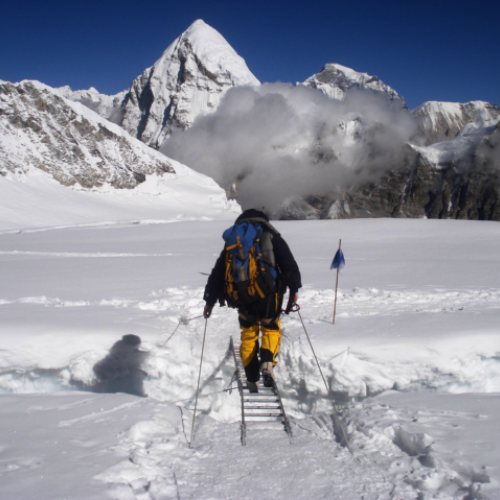
- Glacier and crevasse terrain
- Fixed-rope climbing
- Severe cold and strong winds
- Long summit-day hours
- High-altitude camp rotations
- Rapidly changing mountain weather
- Physical and mental exhaustion
South Col Adventures' current Manaslu information emphasizes the need for climbing knowledge, proper equipment, rope skills and previous experience on smaller Himalayan peaks before attempting Manaslu.
Best Time for Manaslu Expedition
The best seasons for the Manaslu Expedition in Nepal are spring (March–May) and autumn (September–November). Autumn is traditionally one of the most popular climbing periods because of generally favorable weather and improved mountain visibility.
Spring – March to May
Spring provides another major Himalayan climbing window, with improving weather and suitable conditions for high-altitude mountaineering. The lower sections of the approach are also particularly attractive during this season.
Autumn – September to November
Autumn is widely regarded as the prime season for Manaslu climbing, particularly September and October. Post-monsoon conditions generally provide clearer skies and more favorable visibility for the expedition.
Winter (December to February) brings severe cold, snowfall, strong winds and potentially hazardous conditions at higher elevations. It is generally not the preferred season for a standard commercial Manaslu expedition where as Monsoon (June to August) can bring rainfall, cloud cover, unstable weather and difficult conditions along the lower approach route, making it less suitable for a conventional Manaslu expedition.
Physical Fitness and Preparation
Strong physical preparation is essential for an 8,000-meter expedition. Climbers should begin structured training several months before arriving in Nepal.
Recommended preparation includes:
- Long-distance hiking
- Uphill and downhill trekking
- Cardiovascular training
- Stair climbing
- Running or cycling
- Leg and core strengthening
- Backpack endurance training
- Consecutive-day hiking
- Snow and ice climbing practice
- Fixed-rope training
- Previous high-altitude mountaineering experience
The goal is not simply to become strong but to develop the endurance required to perform continuously at high altitude while carrying equipment and maintaining a controlled pace.
Weather and Summit Attempt
Weather is one of the most important factors determining the success of a Manaslu summit expedition. High winds, snowfall, extreme cold, poor visibility and rapidly changing conditions can make climbing dangerous even for experienced mountaineers.
The summit attempt should therefore remain flexible and depend on:
- Mountain weather forecasts
- Route and rope conditions
- Snow and avalanche conditions
- Team acclimatization
- Individual health and fitness
- High-camp conditions
- Guidance from the expedition leader
Summit success should never take priority over climber safety.
Manaslu Expedition Cost
The Manaslu Expedition cost depends on the expedition duration, group size, climbing permit, accommodation, transportation, Sherpa support, Base Camp services, oxygen, high-camp logistics, equipment and other expedition requirements.
South Col Adventures currently lists the Manaslu Expedition from US$19,000, with the published price and inclusions subject to confirmation at the time of booking.
Manaslu Expedition with South Col Adventures
Choosing an experienced local expedition operator is essential when attempting an 8,000-meter Himalayan peak. South Col Adventures combines local Himalayan expertise with expedition logistics, experienced climbing staff, Base Camp management and high-altitude support.
Our Manaslu Expedition in Nepal focuses on:
- Experienced expedition and climbing Sherpa support
- Carefully planned acclimatization
- Reliable Base Camp management
- High-camp logistics
- Group climbing equipment
- Communication systems
- Oxygen arrangements
- Experienced kitchen and support staff
- Required permits and documentation
- Weather-conscious summit planning
- Safety-focused expedition management
- Personalized service
The current South Col Adventures Manaslu package includes Base Camp management, dining facilities, charging systems, meals, group climbing equipment, communications equipment, high-camp settlement, oxygen support and expedition staff.