Everest Base Camp Trek

based on 1 Review

Key Infomation

  • Duration:16 Days
  • Trip GradeModerate
  • Region/DestinationNepal
  • Maximum Altitude5,364 m
  • ActivityTrekking and Hiking
  • Arrival CityKathmandu

About Everest Base Camp Trek

Everest Base Camp Trek is one of the world’s most iconic Himalayan trekking adventures, taking you through the spectacular Khumbu Valley of Nepal’s Everest region to Everest Base Camp at 5,364 meters (17,598 ft). The journey follows the classic trail from Lukla to Phakding, Namche Bazaar, Tengboche, Dingboche, Lobuche and Gorak Shep, combining breathtaking views of Mount Everest, Lhotse, Nuptse, Ama Dablam and Pumori with authentic Sherpa culture, Buddhist monasteries and dramatic alpine landscapes.

This legendary trek is more than a journey to the foot of the world’s highest mountain. Along the way, you walk through Sagarmatha National Park, cross suspension bridges, explore traditional Sherpa villages and visit cultural landmarks such as Tengboche Monastery. Carefully planned acclimatization at Namche Bazaar and Dingboche helps trekkers adapt gradually to the increasing altitude before continuing toward the Khumbu Glacier and Everest Base Camp. An early-morning hike to Kala Patthar (5,545 m) adds another major highlight, offering spectacular close-up views of Everest and the surrounding Himalayan peaks.

Organized by South Col Adventures, the Everest Base Camp Trek in Nepal is designed for travelers seeking an unforgettable combination of adventure, mountain scenery and Himalayan culture. The standard trek requires no technical climbing experience, but good physical preparation, proper acclimatization and experienced guide support are essential. From the legendary trails of the Khumbu to the achievement of reaching Everest Base Camp, this journey offers an extraordinary introduction to the Himalayas and remains a bucket-list adventure for trekkers worldwide.

Mount Everest Climbing History

Mount Everest, known as Sagarmatha in Nepal and Chomolungma in Tibet, stands at 8,848.86 meters (29,031.69 ft) and is the highest mountain in the world. Everest became a major focus of mountaineering expeditions in the 1920s, attracting climbers from around the world. The most important moment in its history came on 29 May 1953, when Sir Edmund Hillary and Tenzing Norgay Sherpa successfully reached the summit from Nepal via the South Col and Southeast Ridge. Their historic achievement made Everest one of the world's most famous mountaineering destinations.

Since the first successful ascent, Everest has seen many important climbing achievements, including Junko Tabei's first ascent by a woman in 1975 and Reinhold Messner and Peter Habeler's first ascent without supplemental oxygen in 1978. Today, Mount Everest climbing remains one of the greatest challenges in Himalayan mountaineering. Climbers follow the route through Everest Base Camp, Khumbu Icefall, Western Cwm and South Col, requiring strong preparation, acclimatization, technical skills and experienced mountain support. Reaching the 8,848.86-meter summit of Everest remains a remarkable achievement and a dream for climbers worldwide.

Everest Base Camp Trek Route

The Everest Base Camp Trek route begins with a scenic flight from Kathmandu to Lukla, followed by the classic Khumbu trail through Phakding, Namche Bazaar, Tengboche, Dingboche, Lobuche and Gorak Shep. The trail initially passes through lush forests, suspension bridges and traditional Sherpa settlements along the Dudh Koshi Valley before gradually entering the rugged alpine landscape of the upper Khumbu.

From Gorak Shep, the trail continues to Everest Base Camp (5,364 m), where trekkers experience the dramatic Khumbu Glacier and surrounding Himalayan scenery. The following morning, an early hike to Kala Patthar (5,545 m) provides spectacular views of Everest, Lhotse, Nuptse, Pumori and other Himalayan peaks. The trek then retraces the route through Pheriche and Namche Bazaar to Lukla before the return flight to Kathmandu, completing the classic South Col Adventures Everest Base Camp Trek.

Everest Base Camp Trek – Extend Your Himalayan Adventures

The Everest Base Camp Trek can be combined with peak climbing and alternative trekking routes for travelers who want to experience more of the Everest region. Depending on your time, fitness and adventure goals, you can add a 6,000-meter Himalayan summit, explore the scenic Gokyo Valley or take a challenging route across the high passes of the Khumbu.

Everest Base Camp with Lobuche Peak Climbing – 6,119 m: Combine the classic EBC trail with an ascent of Lobuche East Peak, adding glacier travel, snow and ice sections and fixed-rope climbing to the journey. It is an excellent option for trekkers looking to progress toward Himalayan mountaineering.

Everest Base Camp with Island Peak Climbing – 6,189 m: Extend the journey toward Chhukung and climb Island Peak (Imja Tse), one of Nepal’s popular 6,000-meter climbing peaks. The ascent provides a more technical mountaineering experience involving glacier travel, fixed ropes and specialized climbing equipment.

Everest Base Camp via Gokyo Lakes: Experience both Everest Base Camp and the spectacular Gokyo Valley, including Gokyo Lakes and Gokyo Ri. The route can cross the challenging Cho La Pass, offering a more diverse Khumbu experience.

Everest Three Passes Trek: Designed for experienced trekkers, this challenging route crosses Renjo La, Cho La and Kongma La, while also incorporating Gokyo Lakes, Everest Base Camp and Kala Patthar. It provides a comprehensive journey through the high-altitude landscapes of the Everest region.

Why Everest Base Camp Trek Is So Special?

What makes the Everest Base Camp Trek in Nepal exceptional is the combination of legendary mountains and living Himalayan culture. The trail passes through Sagarmatha National Park, a UNESCO World Heritage Site, where trekkers encounter pine and rhododendron forests, high-altitude landscapes, glacial valleys and diverse Himalayan wildlife. Along the way, traditional villages, mani walls, prayer wheels, colorful prayer flags and Buddhist monasteries provide a deeper connection to the Sherpa heritage of the Khumbu.

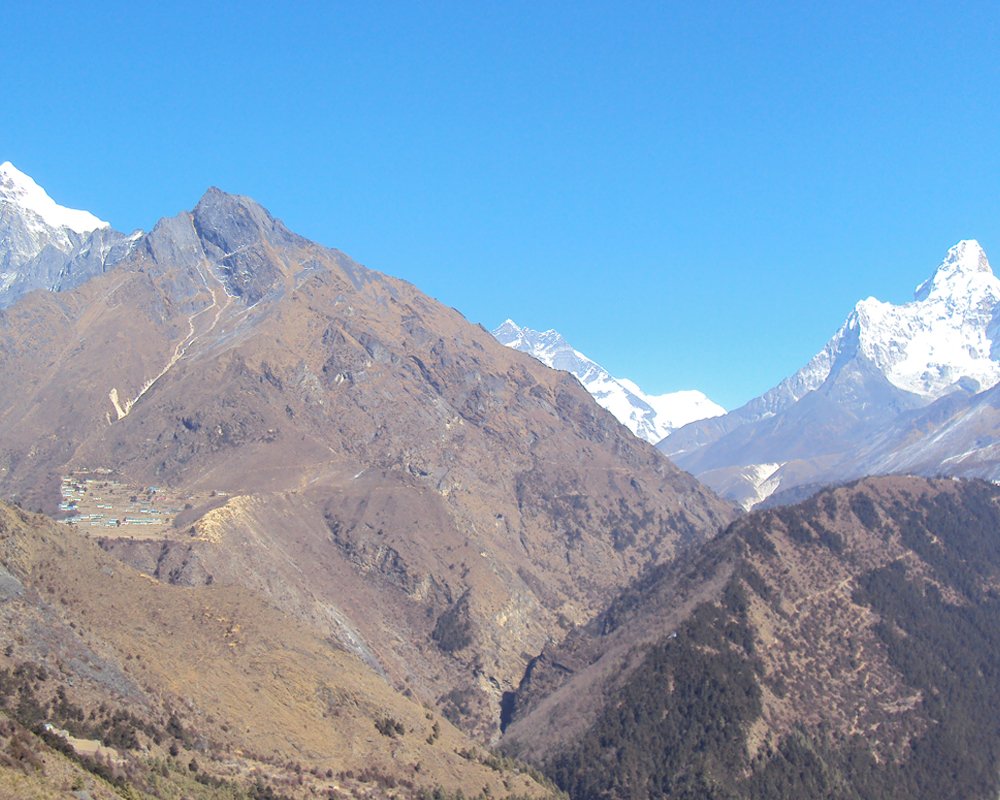
The journey also brings you close to some of the world's highest and most spectacular mountains. From different points along the trail, you can admire Everest, Lhotse, Nuptse, Ama Dablam, Pumori, Thamserku, Kwangde and Makalu, creating an extraordinary Himalayan panorama throughout the trek.

Everest Base Camp Trek Difficulty

The Everest Base Camp Trek is generally considered a moderate to challenging high-altitude trek. Unlike a peak-climbing expedition, it does not require technical mountaineering skills, but the altitude, rugged terrain and consecutive days of walking make physical preparation important.

The main challenge is the increasing elevation. The trail rises from approximately 2,800 m at Lukla to 5,364 m at Everest Base Camp, with Kala Patthar reaching 5,545 m. Daily trekking can involve several hours of walking over uneven and sometimes steep terrain. A gradual itinerary, proper acclimatization and a steady walking pace are therefore essential.

Is Everest Base Camp Trek Suitable for Beginners?

Yes. First-time trekkers can complete the Everest Base Camp Trek if they are physically prepared and follow a sensible acclimatization schedule. Previous high-altitude trekking experience is helpful but not essential.

The trek does, however, require commitment. Trekkers should be comfortable walking for several hours a day, often on consecutive days, and should prepare for cold temperatures, basic mountain accommodation and changing weather conditions.

Best Time for Everest Base Camp Trekking

The best seasons for Everest Base Camp Trek are spring (March–May) and autumn (September–November). These periods generally offer more stable weather, clearer skies and better conditions for both trekking and climbing.

Spring offers excellent mountain visibility and gradually improving temperatures, while autumn is especially popular because of stable post-monsoon weather. Winter climbing is possible but brings extreme cold and potentially heavy snow, while monsoon conditions can affect visibility and trail conditions.

Major Attractions of Everest Base Camp Trek

πŸ”οΈ Mount Everest

The world's highest mountain at 8,848.86 meters, Everest is the ultimate highlight of the trek. The journey offers spectacular views of the mountain from several points along the Khumbu trail.

πŸ•οΈ Everest Base Camp

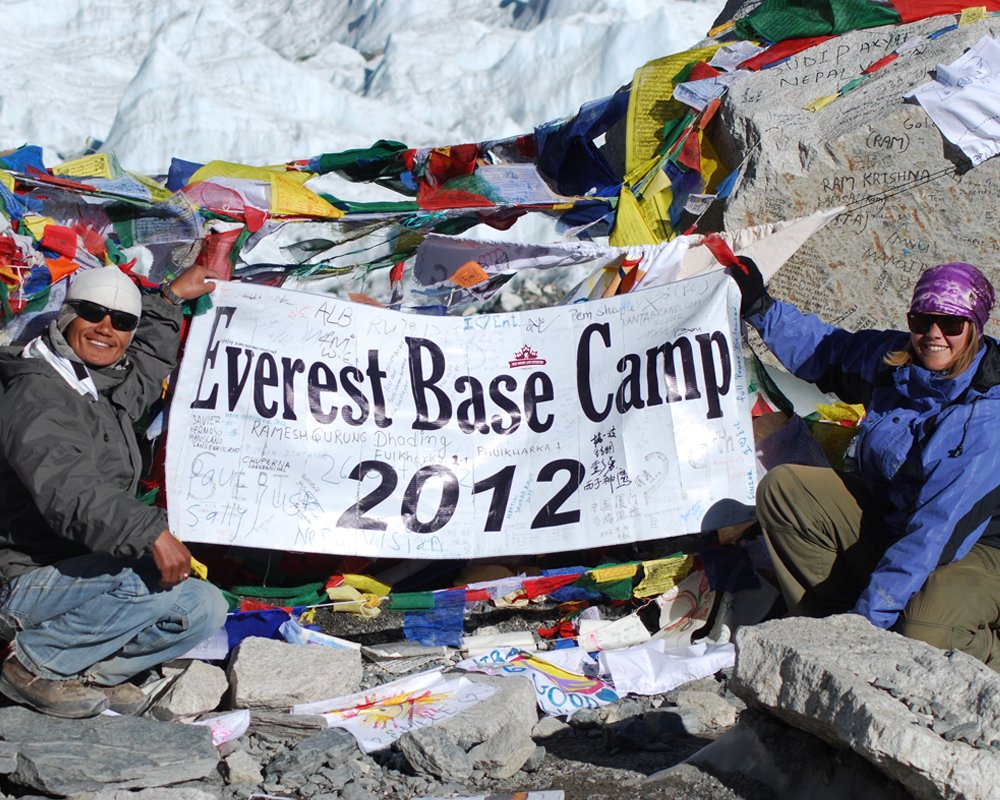
Located at 5,364 meters, Everest Base Camp is the main destination of the trek. Standing beside the Khumbu Glacier and Khumbu Icefall, it offers an unforgettable high-altitude Himalayan experience.

πŸŒ„ Kala Patthar

At 5,545 meters, Kala Patthar is one of the best viewpoints for close-up views of Everest, Nuptse, Pumori and Lhotse. Sunrise from the viewpoint is a major highlight.

🏘️ Namche Bazaar

Known as the gateway to Everest, Namche is a lively Sherpa mountain town surrounded by spectacular Himalayan peaks and an important acclimatization stop.

πŸ›• Tengboche Monastery

Set against a dramatic mountain backdrop, Tengboche Monastery is one of the most important Buddhist monasteries in the Khumbu and an important cultural stop on the trek.

🏞️ Sagarmatha National Park

The trail passes through Sagarmatha National Park, a UNESCO World Heritage Site known for its exceptional mountains, glaciers, alpine landscapes, forests and Himalayan wildlife.

🧊 Khumbu Glacier & Khumbu Icefall

The impressive Khumbu Glacier and towering Khumbu Icefall form a dramatic landscape near Everest Base Camp and provide a close look at the powerful glacial environment of the Everest region.

🏑 Sherpa Villages & Culture

Villages such as Phakding, Namche, Tengboche, Pangboche, Dingboche and Lobuche provide opportunities to experience traditional Sherpa culture, Himalayan hospitality, monasteries, prayer wheels and mani walls.

Acclimatization on the Everest Base Camp Trek

Acclimatization is one of the most important elements of a successful Everest Base Camp Trek. Rather than ascending rapidly, a well-designed itinerary allows the body time to adjust to decreasing oxygen levels.

South Col Adventures incorporates acclimatization stops at Namche Bazaar (3,440 m) and Dingboche (4,360 m). These days are not simply rest days; they can include short hikes to higher elevations before returning to the overnight elevation.

At Namche, trekkers can hike toward Syangboche and the Everest View Hotel, while Dingboche offers opportunities to hike toward the surrounding hills and viewpoints. Staying hydrated, maintaining adequate nutrition, walking at a comfortable pace and communicating symptoms early are essential at altitude.

Everest Base Camp Trek Preparation

You do not need technical climbing training for the standard Everest Base Camp Trek, but good physical preparation can make a major difference.

Begin training several weeks or months before departure with:

  • Long-distance hiking
  • Uphill walking
  • Stair climbing
  • Cardiovascular training
  • Leg and core strengthening
  • Endurance exercises
  • Weekend hikes with a backpack
  • Consecutive-day walking practice

The objective is to build enough endurance to remain comfortable during long trekking days at progressively higher elevations.

Everest Base Camp Trek Cost

The Everest Base Camp Trek cost depends on the itinerary, group size, season, permits, transportation, accommodation, climbing support and services included in the package.

South Col Adventures currently lists its 16-day Lobuche Peak Climbing package from US$1,600, although travelers should confirm the latest price and inclusions before booking.

Everest Base Camp Trek with South Col Adventures

Choosing the right local trekking company is an important part of a successful Everest Base Camp Trek in Nepal. South Col Adventures combines local Himalayan knowledge, experienced trekking guides, carefully planned acclimatization and reliable logistics to create a well-organized journey through the Khumbu.

Our approach focuses on more than simply reaching Everest Base Camp. We aim to make the entire journey—from Lukla and Namche Bazaar to Tengboche, Dingboche, Lobuche, Everest Base Camp and Kala Patthar—safe, comfortable and memorable.

We focus on:

  • Experienced local trekking guides
  • Carefully planned acclimatization
  • Reliable Lukla flight arrangements
  • Required permits and documentation
  • Experienced porters and support staff
  • Quality teahouse accommodation
  • Trekking and safety guidance
  • Weather and contingency planning
  • Personalized trekking service
  • Responsible Himalayan tourism
  • Local cultural experiences

Everest Base Camp Trek with South Col Adventures combines the world's most famous mountain landscape with authentic Sherpa culture, Himalayan wilderness and the unforgettable achievement of reaching the foot of Mount Everest.
Highlights

  • Step into the base of World's highest peak, Mount Everest and witness the jaw-dropping view of the  Khumbu Icefall
  • Behold the panoramic views of world’s highest peaks, including Mt. Everest, Lhotse, Nuptse, Pumori and many others.
  • Witness the world’s biggest glacier (Khumbu glacier) and iconic Khumbu Icefall.
  • Explore the ancient Tengboche Monastery in Tengboche.
  • Reach the maximum elevation point - Kalapatthar (5545m) for an incredible sunrise and sunset view.
  • Traverse through varied landscapes from lush forests to alpine terrain.
  • Explore the rich biodiversity within Sagarmatha National Park with a chance to spot colorful pheasants, snow leopards and Himalayan Thar.
  • Photographic opportunities in almost entire journey.
  • Immerse yourself in the authentic Sherpa Culture, tradition and lifestyles and taste local cuisine
  • Explore the ancient monasteries, prayer wheels, colorful flags, Mani stones, suspension bridges,waterfalls and more.
  • Experience the scenic adventurous flight to Lukla Airport, the world's dangerous airport.
  • Unique combination of Glaciers, Sherpa Cultural insights and panoramic views of highest peak.

Itinerary

  • Day 01: Arrival in Kathmandu & transfer to hotel
  • Day 02: Trip preparation & Sightseeing
  • Day 03: Fly to Lukla & trek to Phakding (2610m)
  • Day 04: Phakding to Namche Bazar (3,440m) 5-6hrs
  • Day 05: Acclimatization Day Namche Bazar(3,440m).
  • Day 06: Namche Bazar to Tengboche (3,870m) 5- 6 hours.
  • Day 07: Tengboche to Dingboche (4,360 m) 5 - 6 hours
  • Day 08: Acclimatization day at Dingboche
  • Day 09: DingbocheΒ  to Lobuche (4,940m) 4-5 hours.
  • Day 10: Trek to GorakShep (5,170m), visit EBC (5,364) & Back to Gorakshep 8-9hrs
  • Day 11: Trek to Kala Patthar (5,545m) & Descend to Pheriche (4288M) 8-9 hours
  • Day 12: Pheriche to Namche Bazaar (3,440m) 6 - 7 hours.
  • Day 13: Namche Bazar to Lukla (2,860m) 6 - 7 hours.
  • Day 15: Fly to Kathmandu & farewell dinner
  • Day 16: Final departure

Welcome to Nepal—the gateway to the Himalayas! Upon arrival at Tribhuvan International Airport, our representative will meet you and assist with your transfer to the hotel. After settling in and refreshing, we will gather in the evening for a welcome dinner featuring authentic Nepali cuisine.

Overnight at the hotel. 

    After breakfast, our team will conduct a final briefing and preparation for your Everest Base Camp Trek. Your guide will check your trekking gear and help you arrange any additional equipment needed. The team will also review your permits, travel documents, accommodation, transportation and trek itinerary, along with important information about altitude, weather, safety and acclimatization.

    In the afternoon, enjoy a guided sightseeing tour of Kathmandu, visiting cultural landmarks such as Swayambhunath, Pashupatinath Temple, Boudhanath Stupa and Kathmandu Durbar Square, subject to available time. This day allows you to complete your final preparations while experiencing the cultural heritage of Nepal.

    Overnight at the hotel in Kathmandu.

      In the early morning, You'll be transferred to the domestic airport. Embark your day with an exhilarating picturesque flight to lukla airport (2,800m), which takes around 40 minutes. After spending few time reaching Lukla, allocating porters for carrying baggages, the trek begins heading towards Phakding, passing through lush forests and  traditional Sherpa villages and farms. Following the trail, crossing the suspension bridges over the Dudh Koshi river, grasp the astonising views of Kusum Kangaru (6,369m/20,890ft). Next One and half hours of moderate walk brings you to Phakding village for the overnight stop and enjoy the warm hospitality of Everest region.

        Today’s trial winds you through pine forest, beautiful villages and several suspension bridges adorned with prayer flags. About 2 hours of walk takes you the Monjo Village, the entrance gate of the Sagarmatha National Park, where your trekking permit will be checked. 

        After taking lunch, the trial descends along the Dudh Koshi River, passing notable spots like Mislung and Larja Dovan, surrounded by spectacular mountain scenery. Its time to ascend the challenging steepy section of the trek called 'Namche Ukalo' which includes the crossing of iconic Hillary Suspension Bridge. As you will climb higher, you'll get an amazing view of Mt. Everest, Mt. Lhotse, and a closer view of Tawache Peak.

        It's a tough climb up the hill, but you'll be rewarded in Namche Bazaar (popular Sherpa capital) with your first glimpse of Everest and the lively atmosphere of Namche makes your trip worthwhile.

          Continous trekking without taking rest can cause altitude sickness to many. So to avoid that risk as well as allowing our bodies to fully recovered and become ready to acclimatize to the lofty mountain,  we will be taking a much needed break! Although the day will be spent at Namche, it will be full of exploring Namche Bazzar, a shopping hub filled with all sorts of trekking and mountaineering clothing and equipments. Dont miss to out check the Sherpa Culture Museum for an overview of the Sherpa traditions and history of Sherpa climbers in Everest region. 

          There's an optional 2 hours hike to Syangboche (Everest View Hotel), an uphill walk that will help accelerate acclimatization, where you’ll be serverd to magnificient panoramic views of Everest, Lhotse, Ama Dablam and many ohters snow capped peaks.

            Today's trek kicks off with the early morning breakfast. As the trial progress through Sagarmatha National Park, visiting the monastery located within, accompanied by many other small yet glorifying mountains, we descends along the Dhud Koshi riverside and ascends through the forested path of blue pines, rhododendrons silver fir, blue pines, birch trees to reach Punki Thenga Village, a small settlement with a couple of teahouses. 

            If you are fortunate enough, you might witness the endangered Himalayan flora and fauna, such as musk deer, pheasants, and Himalayan Thar. Don't miss out the  awe-aspiring view of the towering majestic peak - Mt. Everest, Lhotse, Ama Dablam, Kwangde, Thamserku and many other peaks all around you.
            After crossing a bit of difficult path of this route, Imja Khola, you will finally reach the spiritual hub of the Khumbu region, Tengboche. Being here, explore the spiritual surroundings and visit the well-known monastery, Tengboche Monastery.

              The trial continues with the moderate walk into a rich forest followed by chortens, colourful prayer flags, mani walls and many small villages. Our trek route passes through beautiful Debuche and crosses the Imja River to reach Pangboche village, the biggest settlements of Sherpas in the region.  You can witness the spectacular views of the Mt. Island peak throughout the trail. 

              We continue our journey entering the Imja valley following the Lobuche river,and then we ascend steeply to the Dingboche village, a beautiful patchwork of fields enclosed by stone walls, where we will stay overnight. Enjoy a great chance to observe a typical Sherpa village and have lunch with the locals!.

                Today is another day at Dingboche set aside for acclimatization. Climbing Nangkar tshang Peak (5,083 m), also called Nagarjuna Hill Top viewpoint, should help our body adjust to the high altitude. The hike to the viewpoint takes around 3 hours to climb uphill and 2 hours to climb downhill. You can see one of the best views of Makalu, Lhotse, Lhotse Shar, and Island Peak from the viewpoint. Being in Dingboche, immerse yourself into local Sherpa Culture, taste the unique cuisines and explore the local monasteries and stone-walled fields. Relax and enjoy the peaceful environment to prepare for more challenging trek ahead.

                   As we are already in high altitude above 4600m , the trail keeps getting a bit of rough and steeple. Trek begins with a short uphill climb and then, we gradually ascend towards Thukla (4620m) where we take lunch and rest for a while. About one hour of hard climb, we reach Everest Memorial, a site with  prayers flags and memorial monuments everywhere to honor all the mountaineers who lost their life while attempting to climb Mt. Everest. From here, we can see the astonishing view of Ama Dabalam, Cholatse and Taweche. Passing  through the moraines of Khumbu Glacier we trail will get to the Lobuche village where we spent the night.

                    After early morning breakfast, our journey moves ahead through short plain meadows and then we frequently ascend and descend the glacial moraine on rocky terrain. About 3 hours of walking takes you to Gorak Shep where we check-in our rooms and take lunch. After a short rest, leaving backpacks, we traverse on the rough rocky moraine, dunes and streams of Khumbu Glacier to get to the long-awaited destination, the Everest Base Camp (EBC), which takes about 2 hours.
                    Being in EBC, explore the breathtaking panoramic views of Changtse, Khumbuste, Nuptse, Pumori and many other snow-capped peaks. We then, trek back to the hotel in Gorak Shep for the overnight stay.

                      his day is the most challenging as you must walk a long distance, nearly 14-15 kilometres. Today, you must hike up to Kala Patthar, descend back to Gorakshep, and finally, to Pheriche via Lobuche.

                      Kala Patthar (Black Rock) is the most critical viewpoint (called Everest View Range Viewpoint) on the trip. It is the highest point of the EBC trek, reaching 5550 meters. If everything goes well, we start our hike around 4am to get the Kalapatthar view point for sunrise view. It takes around 3 hours to reach Kala Patthar.

                      After spending a few moments in Kala Patthar, we need to trek back to Gorakshep and to Pheriche, the final destination for the day. With an approximately 4–5-hour trek via Lobuche and Thukla, we will reach Pheriche at around 4 p.m., covering around 11 km. There are about ten basic teahouses in Pheriche. Thukla is going to be our lunch spot for the day.

                        From Pheriche,we retrace our steps descending to the Imja Khola and then up through the rhododendron forest to Tengboche monasteries. For some, this will be an opportunity to see the nuns perform their religious ceremonies at the Tengboche Monastery. After lunch at Tengboche, we continue our trek across the hillside blanketed by colorful rhododendron and juniper trees. After crossing the bridge over the (milky river) Dudh Koshi River our trail continues through the Dudh Koshi gorge descending rapidly through the pine forests before reaching Sansa. Along the way we keep our eyes peeled for wildlife, such as (Himalaya Thar) mountain goats, snow leopards, and colorful pheasants while passing through the forest. After passing a Chorten we reach the army camp at Namche Bazaar where we stay overnight. 

                          We continue our trek taking deep dive from the Namche hill for about an hour then descend gradually through dense forests crossing several suspension bridges all the way to Manjo, Benkar Phakding and ultimately to Lukla.

                            Today we shall leave for Kathmandu. The flight to Kathmandu is generally scheduled in the morning to avoid the disturbances caused by afternoon wind in Lukla. Trekkers should be prepared for the delay or cancellation of flights due to the bad weather which is beyond our control. The flight takes you over the vast landscape of hills of Nepal with the view of the Himalayas, lush valleys, and other natural beauties. After you land in the domestic terminal of TIA you shall be transferred to your hotel. Take proper rest and later in the day you may go for some afternoon shopping to take with you some souvenirs for your near and dear ones. You may also wander around in the streets of Thamel. Pack your bags for your return flight to the onward destination. Kathmandu. In the evening, we will have a farewell dinner in a typical Nepalese Restaurant with cultural show.

                              The adventurous, exciting, and entertaining Everest Base Camp trek comes to an end today. You may engage in some other activities if you have booked with us or you may go for last-minute shopping. Extend your stay and enjoy other packages if you have enough time for staying in Nepal. You shall be transferred to the airport for your flight to your onward destination by a representative of Southcol Adventures.

                              We thank you for being a part of our team and we hope that you have created some of the best memories of your life during this trek. Have a safe and happy journey ahead!

                                Cost Details

                                Included

                                • All necessaries ground transportation including Airport to Hotel and Kathmandu Sightseeing
                                • Government Trekking Permit including National Park Entry Permit, TIMS Card (Trekker’s Information Management System) and Local Permit
                                • Domestic Flight: Kathandu to Luka Domestic flight round trip
                                • 3 night Kathmandu Hotel Accommodation at 3 Star hotel with BB Service
                                • Trekking Guide: Government license holder trekking guide, having 5-7 years experiences in Trekking sector of Nepal and well speaking skill in English
                                • trekking porter, Max 20 kg
                                • Accommodation at Tea House and Local lodge during trekking period.
                                • Logistics: Three time meals a day during trekking period including breakfast, lunch and dinner, tea and coffee.
                                • Medical Kit: Trekking medical kit and tools

                                Excluded

                                • International flight
                                • Nepal Visa and cargo clearance
                                • your personal warm chothes for trekking
                                • your personal medical/rescue insurance
                                • Extra porter if needs
                                • Alcoholic products during trekking period
                                • Helicopter evacuation if any emergency case
                                • Tips for your trekking staff
                                Visit Nepal

                                Dates & Price

                                Dates StatusAvailabilityPrice 
                                start dateSeptember 08, 2026 end dateSeptember 23, 2026StatusAvailable availabilityFixed DeparturepriceUS$1600
                                start dateSeptember 25, 2026 end dateOctober 10, 2026StatusAvailable availabilityFixed DeparturepriceUS$1600

                                Useful Info

                                Everest Base Camp Trek is a 16-day moderate high-altitude trekking adventure in Nepal’s legendary Khumbu region, reaching Everest Base Camp (5,364 m) and Kala Patthar (5,545 m). The journey passes through Lukla, Phakding, Namche Bazaar, Tengboche, Dingboche, Lobuche, Gorak Shep, and Everest Base Camp, with spectacular views of Mount Everest, Lhotse, Nuptse, Ama Dablam, Island Peak, Pumori, and other Himalayan peaks. The trek also offers opportunities to experience Sherpa culture, Tengboche Monastery, Sagarmatha National Park, and the dramatic Khumbu Glacier.


                                πŸ“Œ 01. Booking & Confirmation

                                To confirm your Everest Base Camp Trek, please provide:

                                • Completed booking details
                                • Valid passport copy
                                • Required travel information
                                • 10% non-refundable advance payment

                                Once confirmed, South Col Adventures will arrange the required permits, accommodation, flights, transportation, guides, porters, meals, and other trekking logistics.

                                Early booking is recommended, especially during spring and autumn.


                                ❌ 02. Cancellation & Refund

                                The 10% booking deposit is non-refundable if the trip is cancelled within 30 days before departure.

                                If the required balance is not paid by the agreed deadline, South Col Adventures may consider the booking cancelled and the deposit forfeited.

                                For complete terms, please refer to the CANCELLATION & REFUND POLICY.


                                πŸ’³ 03. Payment Methods

                                South Col Adventures accepts:

                                • Bank Transfer
                                • Visa or MasterCard — 4% card processing fee applies
                                • Credit Card — contact South Col Adventures for payment instructions

                                Bank charges, payment gateway fees, and currency conversion costs are payable by the Client.


                                🌀️ 04. Best Time for Everest Base Camp Trek

                                The best trekking seasons are:

                                Spring: March–May
                                Autumn: September–November

                                These seasons generally offer clear skies, stable weather, excellent mountain visibility, and favorable trail conditions. Winter can be very cold with snowfall, while monsoon brings rain, clouds, and reduced visibility.


                                πŸ₯Ύ 05. Difficulty Level

                                The Everest Base Camp Trek is a moderate to challenging high-altitude trek. Previous trekking experience is helpful but not essential if you are physically prepared. The journey involves long walking days, steep ascents and descents, rocky and uneven trails, suspension bridges and cold mountain conditions. As the altitude increases, lower oxygen levels become an important challenge, especially around the upper Khumbu. The trek reaches Everest Base Camp at 5,364 m, with Kala Patthar at 5,545 m, making proper acclimatization and steady pacing essential.


                                πŸ”οΈ 06. Altitude Sickness & Acclimatization

                                Altitude sickness is an important consideration on the Everest Base Camp Trek. Possible symptoms include:

                                Headache • Nausea • Dizziness • Fatigue • Loss of appetite • Difficulty sleeping

                                The itinerary includes acclimatization days at Namche Bazaar and Dingboche, with optional hikes to higher viewpoints to help the body adjust gradually. Climbers should walk slowly, stay hydrated, eat well, and rest properly

                                Any serious altitude-related symptoms should be reported immediately to the climbing guide. If serious symptoms develop, further ascent should stop and descent to a lower altitude may be necessary. The safety of the team takes priority over reaching the Everest Base Camp.


                                πŸ’ͺ 07. Fitness & Preparation

                                A good level of fitness and endurance is recommended. Prepare with:

                                • Regular walking and hiking
                                • Uphill and stair training
                                • Cardio exercises
                                • Leg and core strengthening
                                • Backpack training
                                • Long-distance weekend hikes

                                Training beforehand will make the longer trekking days more comfortable.


                                πŸ›‚ 08. Permits & Documents

                                The Everest Base Camp Trek requires the applicable:

                                • Sagarmatha National Park entry permit
                                • Pasang Lhamu Rural Municipality Permit

                                South Col Adventures assists with arranging the required permits and documentation.

                                Carry your passport, permits, travel documents, and insurance details throughout the trek.


                                πŸŽ’ 09. Trekking Equipment

                                Essential equipment may include:

                                Trekking boots • Trekking poles • Sleeping bag • Daypack • Headlamp • Waterproof jacket • Down jacket • Warm layers

                                Personal gear should also include:

                                • Warm gloves and socks
                                • Sunglasses and sunscreen
                                • Water bottles
                                • Hat and rain protection
                                • Personal medication
                                • Toiletries
                                • Energy snacks

                                A detailed packing list will be provided before departure.


                                🌨️ 10. Weather & Trail Conditions

                                Mountain weather can change rapidly. Snowfall, rain, strong winds, cold temperatures, fog, and slippery or rocky trails may affect the trekking schedule.

                                Flights between Kathmandu and Lukla can also be delayed or cancelled because of weather conditions.

                                South Col Adventures may adjust the itinerary whenever necessary for safety.


                                🏑 11. Accommodation & Meals

                                Accommodation is generally provided in tea houses and local lodges along the trekking route. Facilities become simpler at higher elevations.

                                Meals generally include:

                                Dal Bhat • Noodles • Soups • Vegetables • Pasta • Bread • Eggs • Tea and Coffee

                                Three meals a day are provided during the trekking period according to the package arrangements.


                                πŸ›‘οΈ 12. Travel Insurance

                                Comprehensive travel insurance is strongly recommended and should cover:

                                • High-altitude trekking
                                • Emergency medical treatment
                                • Helicopter evacuation
                                • Mountain rescue
                                • Trip cancellation/interruption
                                • Lost or delayed baggage

                                Ensure your insurance specifically covers trekking at elevations of at least 5,545 m.


                                🚁 13. Safety & Emergency Support

                                Safety remains a priority throughout the trek. Experienced guides monitor altitude, weather, trail conditions, and the health of participants.

                                If an emergency occurs, appropriate medical, rescue, or evacuation arrangements will be coordinated according to the situation.


                                πŸ“± 14. Communication & Electricity

                                Mobile networks and internet services are available in some villages but become limited or unreliable at higher elevations and in remote sections.

                                Electricity is available at many lodges, generally for a fee, but charging facilities may be limited at higher elevations.

                                We recommend carrying a power bank, spare batteries, and essential electronic devices. A Nepal SIM card can provide mobile data where network coverage is available.


                                🌱 15. Responsible Travel

                                The trek passes through Sagarmatha National Park and traditional Sherpa communities. Trekkers are encouraged to:

                                • Minimize waste and plastic use
                                • Avoid littering
                                • Carry reusable water bottles
                                • Respect Sherpa culture and traditions
                                • Respect monasteries, chortens, prayer flags, and mani walls
                                • Support local communities
                                • Conserve water and energy
                                • Protect the Himalayan environment

                                πŸŽ’ Everest Base Camp Trek Guidelines

                                01. Prepare Your Fitness

                                Train with regular hiking, uphill walking, cardio, and strength exercises before departure.

                                02. Wear Comfortable Trekking Boots

                                Break in your boots before the trek to prevent blisters and discomfort.

                                03. Walk Slowly at Altitude

                                Maintain a steady pace, particularly above Namche Bazaar and during the approach to Everest Base Camp.

                                04. Watch for Altitude Sickness

                                Stay hydrated and immediately report headache, nausea, dizziness, unusual fatigue, or breathing difficulties to your guide.

                                05. Carry a Daypack

                                Keep water, snacks, medication, passport, permits, cash, sunscreen, sunglasses, rain protection, and warm layers with you.

                                06. Carry Enough Cash

                                Carry sufficient Nepalese rupees for personal expenses, as payment facilities can become limited in remote villages.

                                07. Prepare for Lukla Flight Changes

                                Flights can be affected by mountain weather. Keep some flexibility in your itinerary for possible delays or cancellations.

                                08. Eat Well & Stay Hydrated

                                Drink regularly and carry energy snacks such as nuts, chocolate, dried fruit, or energy bars.

                                09. Prepare for the Cold

                                Carry proper warm layers, a down jacket, gloves, sunglasses, sunscreen, and suitable protection against wind and cold.

                                10. Enjoy the Sherpa Culture

                                Take time to explore Namche Bazaar, Tengboche Monastery, Pangboche, and other traditional Sherpa settlements along the route.

                                11. Experience Everest Base Camp

                                Enjoy the achievement of reaching Everest Base Camp (5,364 m) and the spectacular surroundings of the Khumbu Glacier.

                                12. Enjoy Kala Patthar Sunrise

                                An early-morning hike to Kala Patthar (5,545 m) offers one of the trek's most impressive panoramic views of Everest and the surrounding Himalayan peaks.

                                13. Carry Proper Insurance

                                Ensure your insurance covers high-altitude trekking, medical treatment, helicopter evacuation, and mountain rescue.

                                14. Respect the Mountains & Communities

                                Avoid littering, reduce waste, respect local traditions, and follow the instructions of your guides and trekking crew.


                                πŸ”οΈ Trek Prepared. Travel Responsibly. Experience Everest Base Camp with South Col Adventures.

                                FAQs

                                • Q1. Where is Everest Base Camp?

                                  Everest Base Camp is located on the south side of Mount Everest in Khumbu region within the Sagarmatha National Park of Solukhumbu district of Nepal. This base camp is the primary starting point for climbing Mount Everest.

                                •  The Everest Base Camp stands at an elevation of 5,364 meters above sea level.

                                • Kala Patthar with an altitude of 5,545m is the maximum elevation point during Everest Base Camp Trek followed by Everest Base Camp at the height of 5,364m.

                                • The permits that are required to trek Everest Base Camp Trek are as follows:

                                  1. Sagarmatha National Park Entry Permit
                                  2. TIMS (Trekkers' Information Management System): 
                                  3. Khumbu Pasang Lhamu Rural Municipality Permit

                                  You don't have to worry about these permits as they will be taken care of and arranged by Southcol Adventures itself.

                                • Prime trekking seasons including pre-monsoon (March to May) and post-monsoon (September to November) offer the most favorable time to trek Everest Base Camp Trek. We highly recommend post-monsoon season for Everest Base Camp Trek as the fact of suitable weather conditions with the drop in temparature, clear skies, and vivid mountain view and safer trek. Winter season is also possible but bring weather-related challenges.

                                • A Guide is not legally mandatory for Everest Base Camp Trek. However, hiring a Licensed Guide is highly recommended inorder to navigate the right route, arrange accommodation, help cultural exploration, local translation and support in case of emergencies. To make trekking comfortable and climbing easier and to carry heavy luggage, we recommend to hire a Porter.

                                • The Everest Three Passes Trek reaches up to the altitude around 5,500 and is highly suspectible to altitude complications. That's why, altitude sickness is a serious concern to the climbers without high-altitude hiking experiences above 4500m and with poor physical condition. As of high altitude gain, staying hydrated, slow progression and rest in lower elevations helps trekkers to trek to higher altitudes with lower chances of acute altitude sickness. Proper acclimatization and awareness of symptoms are crucial to prevent severe altitude-related illnesses.

                                • Previous trekking experience is not mandatory for the Everest Base Camp Trek, but it is certainly helpful. The trek involves long walking days, steep sections and high-altitude conditions, so good physical fitness and proper preparation are important. With a well-planned itinerary, gradual acclimatization and guidance from an experienced trekking team, first-time high-altitude trekkers can successfully complete the Everest Base Camp Trek.

                                • Everest Base Camp Trek is moderate to challenging depending on trekker's fitness level. The trail involves rugged terrain, glacier crossings, some steep ascents and descents, high altitude around 5500m, relatively lesser amenities, and many hours of enduring journey. Hence, strong physical fitness and prior trekking experiences at higher elevation above 5000m is highly recommended before trekinng Everest Base Camp.

                                  South Col Adventures has arranged this trekking package proficiently where trekkers are guided efficiently, acclimatized properly, taking safety measures, provide quality and professional service to make Everest Base Camp Trek enjoyable and comfortably achievable.

                                • Everest Base Camp Trek is one of the moderately challenging trek that take you the hidden valley of Khumbu Region, offering dramatic landscapes, sacred Gokyo lake, magnificent panoramic viewpoints including Kala Patthar and Everest Base Camp, the traditional Sherpa culture, diversed wildlife and vegetation of Sagarmatha National Park with the world’s highest peaks, including Mt. Everest, Makalu, Cho-Oyu, Nuptse, Lhoste, Pumori, Ama Dablam and many others. 

                                  Everest Base Camp Trek is cosidered streneous, full of natural beauty, stunning mountain vistas, adventures with rich cultural insights. Thus, gives trekker a complete trekking experience in the himalayas.

                                • South Col Adventures is one to the mostly reputed trekking companies with impressive record of successful Everest Base Camp Trek. We provide experienced and reliable porters and proficient guides. Moreover, our company aims on safety, quality and professional service by providing fine equipment and logistics. In conclusion, our Everest Base Camp Trek is known for high safety standards, high success rate, carefully designed itineraries, high-quality camping, reliable logistics within the most affordable prices.

                                • A classic itinerary generally takes around 12–16 days, depending on acclimatization, route and Kathmandu arrangements. South Col Adventures offers a dedicated itinerary designed around gradual altitude gain.

                                • Yes. Beginners can undertake the trek with good physical preparation, appropriate acclimatization and experienced trekking support.

                                • The route provides views of Mount Everest, Lhotse, Nuptse, Ama Dablam, Pumori, Makalu, Thamserku, Kwangde and many other Himalayan peaks.

                                • Yes. Everest Base Camp and Lobuche Peak Climbing can be combined into a longer adventure for travelers who want to progress from trekking to technical peak climbing.

                                • Yes. Island Peak is located near Chhukung, making it possible to combine an Everest-region trekking itinerary with a 6,189-meter peak climb.

                                You May Also Like

                                Explore more