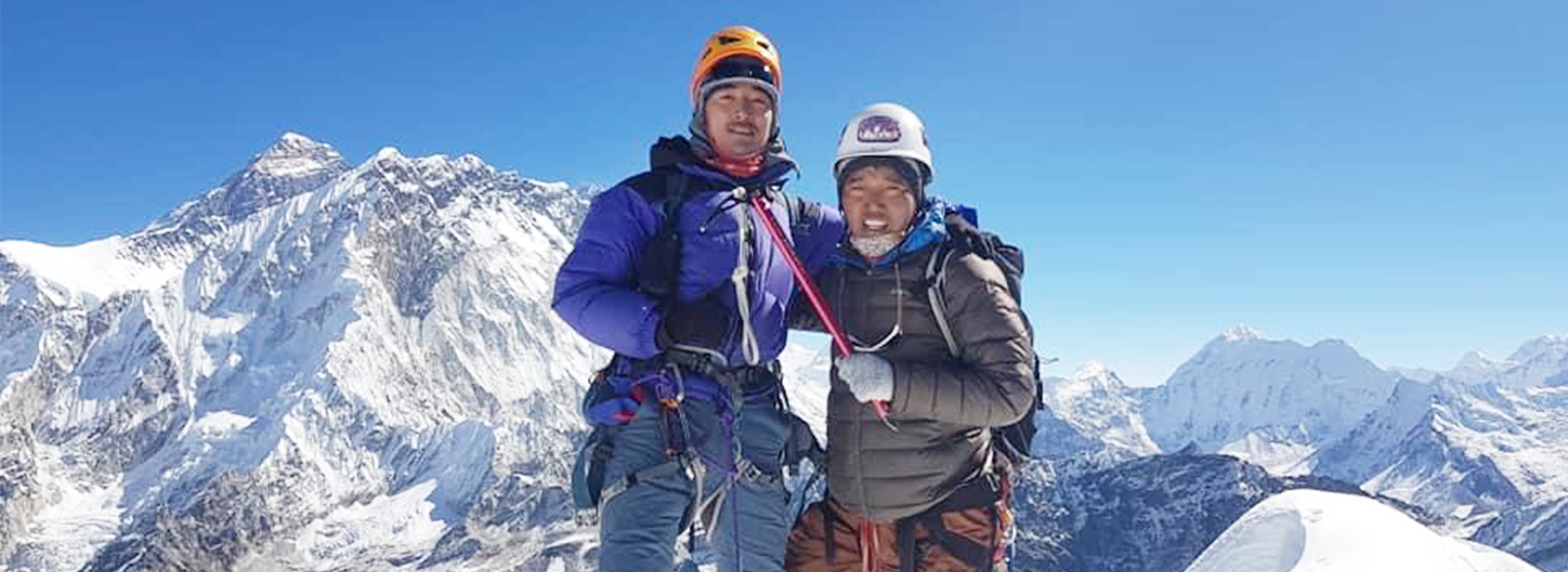
Lobuche Peak Climbing via Gokyo is an exceptional Himalayan adventure that combines the spectacular Gokyo Valley and Gokyo Lakes with the challenging ascent of Lobuche East Peak (6,119 m). The route crosses the demanding Cho La Pass (5,420 m) before continuing through the Everest region toward Lobuche Base Camp and the summit of Lobuche East.
The journey offers outstanding views of Mount Everest, Lhotse, Nuptse, Makalu, Cho Oyu, Ama Dablam, Pumori, Lobuche Peak, and other Himalayan giants. Lobuche East involves glacier and snow travel, fixed-rope climbing, and an exposed summit section, making it a more technical objective than a standard high-altitude trek.
With South Col Adventures, proper acclimatization, physical preparation, suitable trekking and climbing equipment, and flexibility for changing mountain conditions are essential for a safe and successful climb.
📌 01. Booking & Confirmation
To confirm your Lobuche Peak Climbing via Gokyo trip, please provide:
- Completed booking details
- Valid passport copy
- Required travel information
- 10% non-refundable advance payment
Once the documents and payment are received, South Col Adventures will confirm your booking by email and begin arranging permits, accommodation, domestic flights, transportation, trekking and climbing guides, porters, meals, high-camp services, climbing equipment, and other logistics.
Early booking is strongly recommended, particularly during the spring and autumn climbing seasons.
❌ 02. Cancellation & Refund
The 10% booking deposit is non-refundable if the trip is cancelled within 30 days before departure.
If the required balance is not paid by the agreed deadline, South Col Adventures may consider the booking cancelled and the deposit forfeited.
For complete cancellation terms, please refer to our Cancellation & Refund Policy.
💳 03. Payment Methods
South Col Adventures accepts:
- Bank Transfer
- Visa or MasterCard — 4% card processing fee applies
- Credit Card — please contact South Col Adventures for payment instructions
Bank charges, payment gateway fees, and currency conversion costs are payable by the Client.
The applicable balance payment deadline and transaction charges will be communicated during booking.
🌤️ 04. Best Time for Lobuche Peak Climbing via Gokyo
The best seasons for Lobuche Peak Climbing via Gokyo are:
Spring: March–May
Autumn: September–November
These seasons generally provide stable weather, clear mountain views, and favorable trekking and climbing conditions.
Winter brings very cold temperatures and increased snowfall, while the monsoon season can bring rain, clouds, slippery trails, and reduced mountain visibility.
🥾 05. Difficulty Level
Lobuche Peak Climbing via Gokyo is considered a challenging trekking and peak-climbing adventure, with the website categorizing the trip as Moderate to Strenuous. The route combines demanding high-altitude trekking with the technical requirements of climbing Lobuche East Peak.
Major challenges include:
- Long trekking days
- Steep ascents and descents
- High-altitude terrain
- Crossing Cho La Pass (5,420 m)
- Rocky and uneven trails
- Glacier and moraine sections
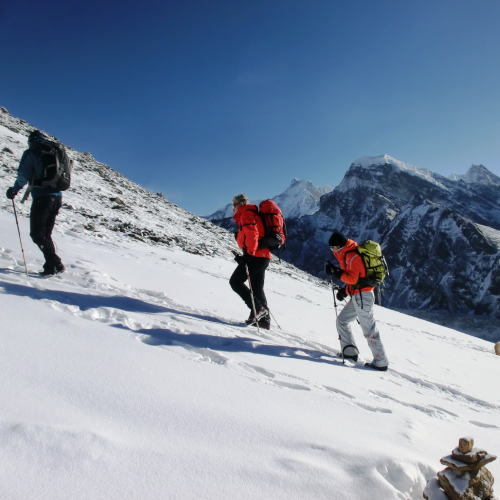
- Snow-covered terrain
- Cold temperatures and strong winds
- Fixed-rope climbing
- Crampon walking
- A demanding summit day
- A narrow and exposed summit ridge
- Rapidly changing mountain weather
Lobuche East Peak reaches 6,119 m, making the summit considerably more demanding than a standard high-altitude trek.
Previous climbing experience is helpful but not essential. Good physical fitness, previous trekking experience, proper acclimatization, and training with climbing equipment are highly recommended.
🏔️ 06. Altitude Sickness & Acclimatization
Altitude sickness is an important consideration because the trek reaches Gokyo Ri (5,357 m), Cho La Pass (5,420 m), Everest Base Camp (5,364 m), Kala Patthar (5,545 m), and ultimately Lobuche East Peak (6,119 m).
Possible symptoms include:
Headache • Nausea • Dizziness • Fatigue • Loss of appetite • Difficulty sleeping
The itinerary includes dedicated acclimatization periods at Namche Bazaar and Gokyo, while the gradual progression through the high-altitude sections allows further adaptation before the climb.
Trekkers and climbers should walk slowly, stay hydrated, eat properly, and get enough rest.
If serious symptoms develop, further ascent should stop and descent to a lower altitude may be necessary.
Safety always comes before crossing Cho La Pass, reaching Everest Base Camp, or attempting the Lobuche Peak summit.
💪 07. Fitness & Preparation
Good cardiovascular fitness, endurance, leg strength, and mental preparation are essential for this adventure.
Preparation should include:
- Long-distance hiking
- Uphill and stair training
- Cardiovascular exercises
- Leg and core strengthening
- Hiking with a backpack
- Regular endurance training
- Practice on steep and uneven terrain
- Training for consecutive long trekking days
Basic mountaineering skills are beneficial, although previous climbing experience is not mandatory. Before the summit attempt, experienced climbing guides provide practical instruction on crampons, harnesses, fixed ropes, helmets, and ice axes.
🛂 08. Permits & Documents
The following permits are required for Lobuche Peak Climbing via Gokyo, according to the South Col Adventures itinerary:
- Sagarmatha National Park Entry Permit
- Khumbu Pasang Lhamu Rural Municipality Permit
- Nepal Mountaineering Association (NMA) Lobuche Peak Climbing Permit
South Col Adventures assists with arranging the required permits and official documentation.
Carry your passport, permits, travel documents, and insurance details throughout the trek.
🧗 09. Trekking & Climbing Equipment
Because this trip combines high-altitude trekking with peak climbing, both trekking and mountaineering equipment are required.
Essential climbing equipment may include:
Mountaineering boots • Crampons • Ice axe • Harness • Helmet • Ascender/Jummar • Carabiners • Climbing ropes
The climbing team also uses group equipment such as ropes, harnesses, jummars, helmets, ice axes, crampons, tents, and other necessary climbing gear.
Personal equipment should include:
- Down jacket
- Warm layers
- Insulated gloves
- Warm socks
- Sunglasses/goggles
- Sleeping bag
- Headlamp
- Suitable high-altitude clothing
- Personal medication
- Water bottles
- Trekking boots
Personal warm clothing, sleeping bag, and suitable climbing boots should be prepared by the client.
South Col Adventures provides a detailed trekking and climbing equipment checklist before departure and can arrange quality climbing gear rental if required.
🌨️ 10. Weather & Summit Attempt
Mountain weather can change rapidly throughout the Everest region. Snowfall, strong winds, extreme cold, poor visibility, snow and ice conditions, and changing glacier conditions can affect the trekking and climbing schedule.
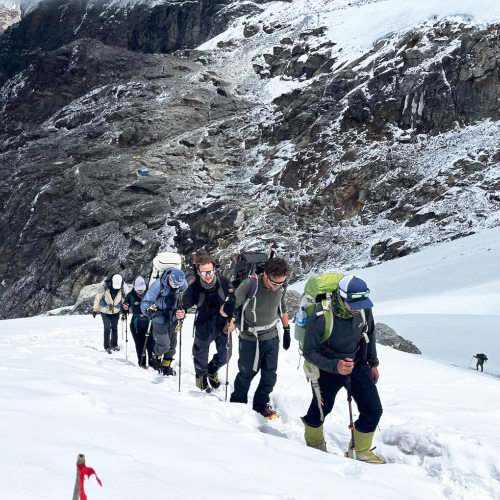
The Cho La Pass crossing can involve rocky terrain, glacier sections, and snow-covered trails. Lobuche Peak itself involves glacier travel, steep terrain, fixed ropes, and a narrow summit ridge.
The summit attempt normally begins very early in the morning. The South Col Adventures itinerary indicates that, when conditions are favorable, the summit push may begin around 1:00 a.m., with the ascent continuing through the crampon point and fixed-rope climbing sections toward the summit.
If weather or route conditions become unsafe, the climbing team may delay, modify, or cancel the summit attempt.
🏕️ 11. Accommodation & Meals
During the trekking section, accommodation is generally provided in tea houses and lodges. Facilities become simpler at higher elevations.
At Lobuche High Camp, camping services are provided, including tents, meals, and necessary camp arrangements.
Meals generally include:
Dal Bhat, noodles, soups, Tibetan-style dishes, vegetables, pasta, bread, eggs, and other local or international options.
Three meals a day with tea or coffee are provided during the trekking period according to the package details.
Food choices become more limited at higher elevations, so maintaining adequate nutrition and hydration is particularly important.
🛡️ 12. Travel Insurance
Comprehensive travel insurance is strongly recommended and should cover:
- High-altitude trekking and peak climbing
- Emergency medical treatment
- Helicopter evacuation
- Mountain rescue
- Trip cancellation/interruption
- Lost or delayed baggage
Ensure your insurance specifically covers peak climbing up to 6,119 m, high-altitude trekking, emergency medical treatment, helicopter evacuation, and mountain rescue.
Personal medical/rescue insurance and emergency helicopter evacuation are not included in the package and should be arranged by the client.
🚁 13. Safety & Emergency Support
Safety remains a priority throughout the trek and climb. Our experienced trekking and climbing team monitors altitude, weather, trail conditions, glacier conditions, climbing routes, and the health of participants.
South Col Adventures provides experienced climbing leadership, including NMA-certified climbing guides, and maintains a carefully planned acclimatization schedule.
Because the route includes remote high-altitude terrain and a peak summit attempt, emergency response may require additional time and coordination.
The itinerary may be adjusted whenever necessary, with appropriate medical, rescue, or evacuation arrangements made according to the situation.
📱 14. Communication & Electricity
Mobile networks and internet services become less reliable as you travel deeper into the Everest region and reach higher elevations.
Electricity is available at many lodges, generally for a fee, but charging facilities can be limited at higher elevations and during the high-camp section.
We recommend carrying a power bank, spare batteries, and essential electronic equipment. A Nepal SIM card can provide mobile data where network coverage is available.
🌱 15. Responsible Travel
The Everest region is a fragile Himalayan environment and an important cultural landscape. South Col Adventures encourages trekkers and climbers to:
- Minimize waste and plastic use
- Avoid littering
- Carry reusable water bottles
- Respect Sherpa culture and traditions
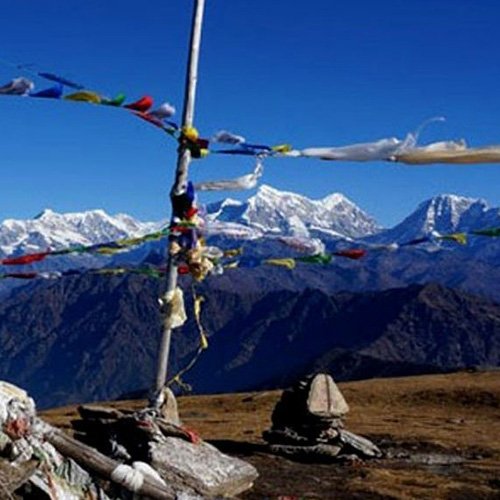
- Respect monasteries, chortens, prayer walls, and mani walls
- Support local communities and businesses
- Conserve water and energy
- Follow responsible trekking and climbing practices
The route passes through traditional Sherpa villages, monasteries, and the UNESCO World Heritage-listed Sagarmatha National Park, making cultural and environmental responsibility an important part of the journey.
🎒 Lobuche Peak Climbing via Gokyo Guidelines
A little preparation can make your trekking and climbing experience safer and more comfortable.
01. Prepare Your Fitness
Train with long-distance hiking, uphill walking, cardio, strength exercises, and backpack training several weeks or months before departure.
02. Prepare Your Trekking Boots
Wear your trekking boots before the trek to ensure comfort and prevent blisters. Make sure they are suitable for cold, rocky, and potentially snowy conditions.
03. Walk Slowly at Altitude
Maintain a steady pace and avoid unnecessary exertion, particularly above Namche Bazaar, around Gokyo, during the Cho La crossing, and on the approach to Lobuche Peak.
04. Watch for Altitude Sickness
Stay hydrated, eat well, and immediately report headache, nausea, dizziness, unusual fatigue, or breathing difficulties to your guide.
05. Carry a Daypack
Keep water, snacks, medication, passport, permits, cash, sunscreen, sunglasses, rain protection, and warm layers with you.
06. Carry Enough Cash
ATMs are available in some larger settlements but should not be relied upon in remote areas. Carry sufficient Nepalese rupees for personal expenses.
07. Prepare for Limited Connectivity
Carry a power bank or solar charger. Internet and mobile coverage may become limited or unavailable during remote sections and at higher elevations.
08. Eat Well & Stay Hydrated
Drink regularly and eat nutritious meals. Carry energy snacks such as nuts, chocolate, dried fruit, or energy bars for long and demanding trekking days.
09. Protect Yourself From Cold & Sun
Use proper warm layers, a down jacket, gloves, sunglasses/goggles, sunscreen, and suitable protection against strong Himalayan winds and sunlight.
10. Prepare for Cho La Pass
Be prepared for steep ascents, rocky terrain, snow, ice, glacier sections, and cold conditions. Follow your guide's instructions and use appropriate traction equipment when conditions require it.
11. Learn the Climbing Equipment
Before the Lobuche Peak summit attempt, follow your climbing guide's instructions and practice using crampons, harness, ice axe, helmet, ascender/Jummar, carabiners, and fixed ropes.
12. Be Flexible With Weather
Mountain conditions can change quickly. Cho La Pass or Lobuche Peak may become difficult or temporarily inaccessible due to snow, ice, or poor weather. The itinerary and summit schedule may be modified whenever necessary.
13. Carry Proper Insurance
Ensure your insurance covers high-altitude trekking and climbing up to 6,119 m, medical treatment, helicopter evacuation, and mountain rescue.
14. Plan Personal Expenses
Keep extra cash for charging, Wi-Fi, hot showers, snacks, drinks, laundry, shopping, and other personal expenses. Tipping for the trekking and climbing crew is customary and voluntary.
15. Respect the Mountain
Avoid littering, reduce waste, respect Sherpa culture, protect the Himalayan environment, and follow the instructions of your trekking and climbing team.
🏔️ Prepare Well. Trek Through Gokyo. Cross Cho La. Climb Lobuche Peak with South Col Adventures.