About Island Peak Climbing via Chhukung (Joining Basic) (4 Days)
Island Peak Climbing via Chhukung (Joining Basic) is a thrilling opportunity to summit Island Peak (6,189 m / 20,305 ft) while already exploring the Everest region. Also known as Imja Tse, Island Peak is one of Nepal’s most popular 6,000-meter climbing peaks, offering an exciting introduction to Himalayan mountaineering with spectacular views of Lhotse, Nuptse, Ama Dablam, Makalu, Baruntse, and the surrounding Khumbu Himalayas. This climbing option is especially ideal for adventurous trekkers looking to combine the Everest Base Camp Trek or Everest Three Passes Trek with Island Peak climbing.
The Joining Basic Island Peak Climbing program is designed for trekkers who are already traveling through the upper Khumbu and can reach Chhukung (approximately 4,730 m) as part of their existing itinerary. Instead of repeating the complete approach from Kathmandu and Lukla, you simply meet the South Col Adventures climbing team at Chhukung and begin the dedicated climbing section from there. The route continues from Chhukung to Island Peak Base Camp at approximately 5,200 m, where you receive essential climbing preparation and guidance before undertaking the summit attempt. This makes Island Peak Climbing from Chhukung a convenient and efficient option for travelers who already have an acclimatized Everest-region trekking itinerary.
Reaching the 6,189-meter Island Peak summit transforms your Everest trekking adventure into a genuine Himalayan mountaineering experience. The climb involves high-altitude terrain, glacier travel, crampon use, fixed ropes, and basic technical climbing skills, supported by an experienced climbing team. After achieving the summit, you descend safely toward Base Camp and return to Chhukung before continuing your original trekking route. With its combination of high-altitude trekking, technical climbing, Himalayan scenery, and a rewarding 6,000-meter summit, Island Peak Climbing via Chhukung is an excellent choice for trekkers ready to take the next step from trekking into Himalayan peak climbing.
Island Peak Climbing via Chhukung - Key Highlights
- Summit Island Peak (6,189 m) and experience the achievement of reaching a Himalayan 6,000-meter peak.
- Trek through the spectacular Imja Valley, surrounded by glaciers, moraines and dramatic Himalayan landscapes.
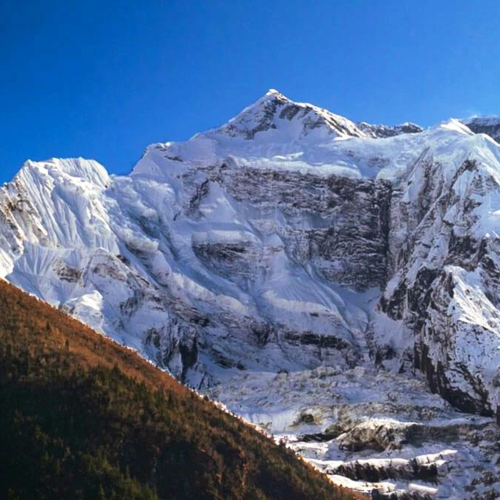
- Enjoy stunning views of Lhotse, Nuptse, Ama Dablam, Makalu and Baruntse.
- Experience genuine mountaineering, including glacier travel, crampon use and fixed-rope climbing.
- Explore the Sherpa culture, mountain villages and unique landscapes of the Khumbu region.
- Enjoy the spectacular biodiversity and natural beauty of the Khumbu Valley
- Ideal for trekkers already undertaking the EBC Trek, Everest Three Passes Trek, or other routes passing through Chhukung.
- Combined trekking and peak climbing in one adventure.
What Is Island Peak Climbing on a Joining Basic?
Island Peak Climbing on a Joining Basic means joining an organized Island Peak climbing group at Chhukung rather than starting the entire climbing itinerary from Kathmandu.
In simple terms, you arrange your main Everest-region trek separately, travel through the Khumbu Valley, and when you arrive at Chhukung (4,730 m), you meet the South Col Adventures climbing guide and join the Island Peak climbing section.
For example:
Everest Base Camp Trek → Chhukung → Join Island Peak Climbing → Island Peak Summit → Chhukung → Continue Trek
Or:
Everest Three Passes Trek → Chhukung → Join Island Peak Climbing → Island Peak Summit → Chhukung → Continue Three Passes Trek
The concept is particularly useful because trekkers who are already acclimatized and traveling through the upper Khumbu do not need to repeat the long approach journey just for Island Peak climbing. You join the climbing team at the appropriate point, receive climbing preparation and technical support, attempt the 6,189-meter Island Peak summit, descend to Chhukung, and then continue your original itinerary.
How the Joining Basic Works
- Reach Chhukung – 4,730 m
- Meet the South Col Adventures Climbing Team
- Trek to Island Peak Base Camp – 5,200 m
- Climbing Training & Preparation
- Summit Island Peak – 6,189 m
- Descend to Chhukung
- Continue Your Original Trekking Route
Once the Island Peak climbing section is completed, you can continue with your original trekking itinerary. This is the main advantage of the joining-basic program.
Who Is Island Peak Joining Basic Climbing For?
This program is particularly suitable for:
- Trekkers already undertaking the Everest Base Camp Trek
- Travelers completing the Everest Three Passes Trek
- Trekkers whose itinerary passes through Chhukung
- Experienced high-altitude trekkers wanting their first 6,000-meter summit
- Travelers who want to combine trekking and peak climbing
- Climbers looking for a shorter and more economical Island Peak climbing option
- Adventurers who do not want to repeat the Kathmandu–Lukla–Khumbu approach
It is important to understand that “joining basic” does not mean a basic or less technical climb. The summit section still involves high altitude, glacier travel, crampons, harnesses, ascenders, fixed ropes, steep terrain and a demanding summit day.
Island Peak Climbing Route From Chhukung
The Island Peak climbing route from Chhukung follows the upper Imja Valley toward the mountain's base camp. Chhukung itself sits at approximately 4,730 m, while Island Peak rises to 6,189 m.
Chhukung to Island Peak Base Camp
The journey begins from Chhukung and heads toward Island Peak Base Camp at approximately 5,200 m. The trail crosses rugged rocky terrain, moraines and glacial landscapes while opening impressive views toward Lhotse, Nuptse, Ama Dablam and surrounding Himalayan peaks.
After reaching Base Camp, climbers prepare for the summit attempt. The climbing team checks equipment and provides practical instruction covering essential techniques such as crampon use, ice-axe handling, harness and ascender use, fixed-rope climbing and glacier travel.
Island Peak Base Camp to Summit
The summit attempt begins during the early hours when conditions are generally more favorable. Climbers move through rocky and glacial terrain toward the steeper upper section of the mountain.
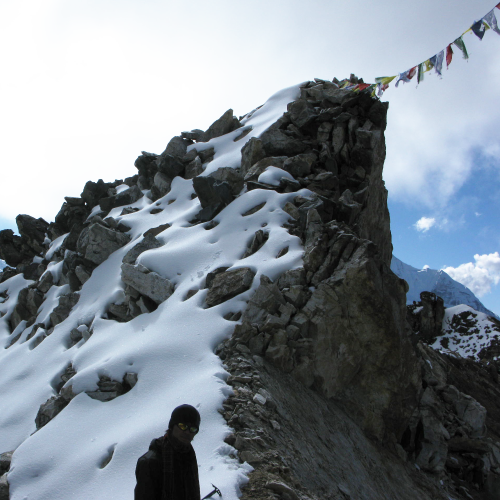
As the route becomes more technical, climbers use crampons, climbing ropes, harnesses and ascenders as required by the route and conditions. The upper section includes steep climbing and fixed-rope sections before reaching the summit ridge.
Island Peak Summit – 6,189 m
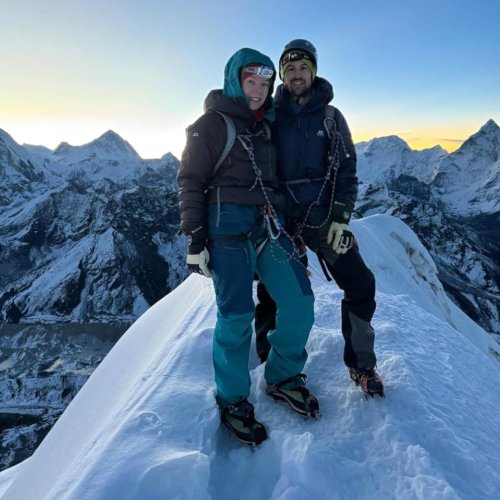
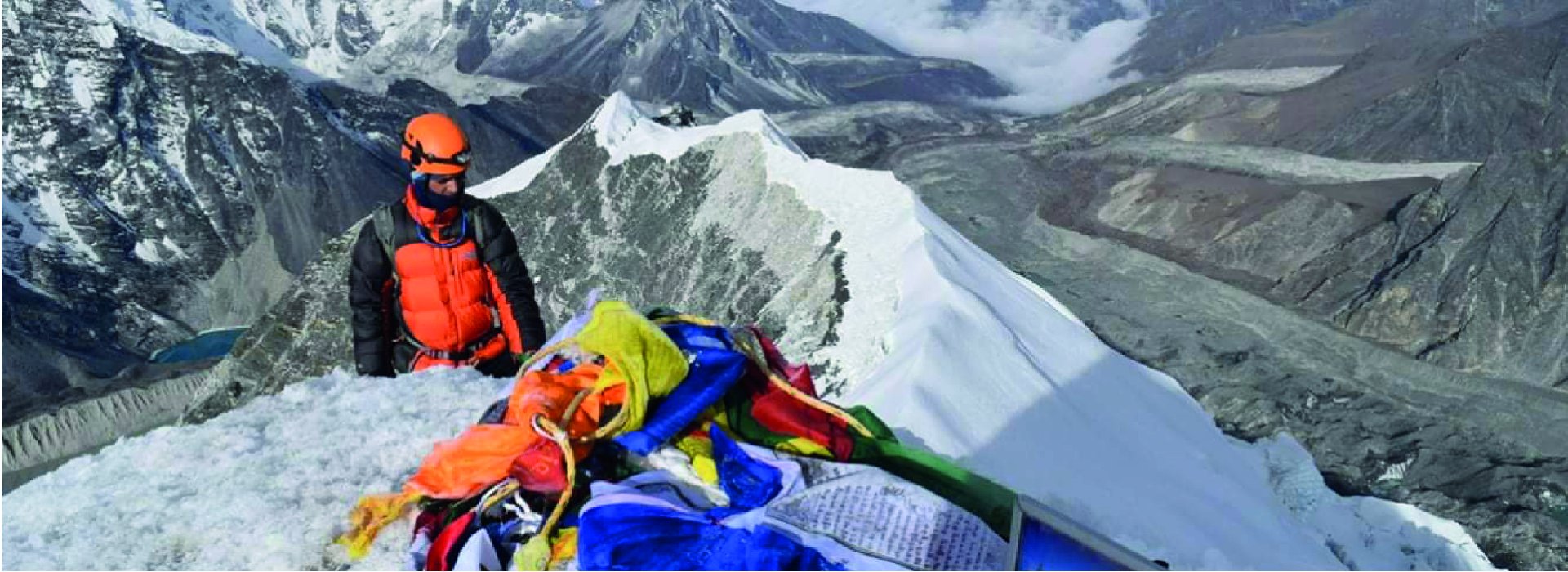
Reaching the Island Peak summit at 6,189 m is the defining achievement of the journey. From the summit, climbers can enjoy extraordinary Himalayan panoramas featuring Lhotse, Nuptse, Ama Dablam, Makalu, Baruntse and other surrounding peaks.
After celebrating the summit, the team begins the careful descent through the technical section and glacier before returning toward Base Camp and eventually Chhukung.
Why Choose Island Peak Climbing via Chhukung?
1. Add a 6,000-Meter Summit to Your Trek
Island Peak, also known as Imja Tse, rises to 6,189 meters in Nepal's Khumbu region. It provides a genuine Himalayan mountaineering experience and an opportunity to stand above 6,000 meters surrounded by some of the world's most spectacular peaks.
2. No Need to Repeat the Full Approach
One of the biggest advantages of the Island Peak Joining Basic program is convenience. If your existing trek already takes you to Chhukung, you can join the climbing program there rather than beginning another complete expedition from Kathmandu.
3. Benefit From Existing Acclimatization
Trekkers arriving in Chhukung through the Everest Base Camp or Three Passes routes have already spent considerable time ascending through the Khumbu. This existing acclimatization can be valuable before attempting a 6,189-meter summit, although individual acclimatization and readiness must always be assessed carefully.
4. Combine Trekking With Mountaineering
Rather than choosing between an Everest-region trek and a peak climb, the joining-basic format lets you experience both. You can explore the Khumbu Valley, Sherpa villages and high-altitude landscapes before adding a technical climbing objective to your journey.
5. Experienced Climbing Support
South Col Adventures provides climbing guides and essential climbing equipment for the Island Peak section, including ropes, crampons, harnesses, jumar/ascender, helmet and related climbing equipment listed on the package page.
Island Peak Climbing Difficulty
Island Peak is a challenging trekking peak rather than an ordinary high-altitude trek.
Although the joining-basic approach from Chhukung is relatively short, the actual summit climb involves high-altitude exposure, glacier travel, snow and ice, fixed ropes, steep climbing and a long summit day.
The main challenges include:
- Altitude reaching 6,189 m
- Reduced oxygen at high elevation
- Steep and uneven mountain terrain
- Glacier and snow travel
- Crampon and ice-axe use
- Fixed-rope climbing
- Ascender/jumar techniques
- Cold temperatures and strong winds
- Long summit-day effort
- Rapidly changing Himalayan weather
Good cardiovascular fitness, endurance, previous high-altitude trekking experience and proper acclimatization are strongly recommended.
Island Peak Climbing Training & Technical Preparation
One of the important advantages of joining South Col Adventures at Chhukung is that the climbing team provides practical preparation before the summit attempt.
Depending on your experience and the conditions, training can cover:
Crampon techniques → Ice-axe techniques → Harness fitting → Ascender/Jumar use → Fixed-rope climbing → Rope safety → Glacier movement → Steep-terrain techniques
This preparation is particularly useful for trekkers attempting their first Himalayan trekking peak.
However, technical training at Base Camp should not be interpreted as replacing physical preparation. Climbers should arrive in the Khumbu with appropriate fitness and high-altitude trekking experience.
Mera Peak Climbing Cost
South Col Adventures currently offers the 4-day Island Peak Climbing via Chhukung (Joining basic) package from US$850 per person. The exact price, availability and package inclusions should be confirmed at the time of booking.
The cost covers major expedition logistics including climbing permits, mountaineering guide, porters, meals during the climbing period, base-camp services and group climbing equipment, according to the current package details.
The overall cost of a Island Peak Expedition via Chhukung can be influenced by the group size, season, itinerary, permits, climbing services and equipment requirements. Please refer to the “Cost Details” tab for a complete list of package inclusions and exclusions.
Best Time for Island Peak Climbing
The best seasons for Island Peak climbing in Nepal are generally:
Spring – March to May
Spring offers favorable trekking and climbing conditions, relatively stable weather and excellent Himalayan visibility.
Autumn – September to November
Autumn is another prime season for Island Peak climbing via Chhukung, with generally clear mountain views and suitable conditions for high-altitude trekking and climbing.
South Col Adventures identifies March–May and September–November as the principal climbing seasons. Monsoon can bring cloud, rain and difficult trail conditions, while winter brings significantly colder conditions and potential snow-related challenges.
Island Peak Climbing With South Col Adventures
With South Col Adventures, the Island Peak Joining Basic program is designed around the needs of trekkers who are already in the Khumbu. The climbing team coordinates the transition from trekking to mountaineering at Chhukung and provides the climbing guide, technical preparation, Base Camp arrangements and climbing equipment specified in the package.
Simply reach Chhukung through your existing Everest-region trek, join the experienced climbing team, summit Island Peak at 6,189 m with professional support, descend safely to Chhukung, and continue your Himalayan journey.