About Ama Dablam Expedition (6,812M)
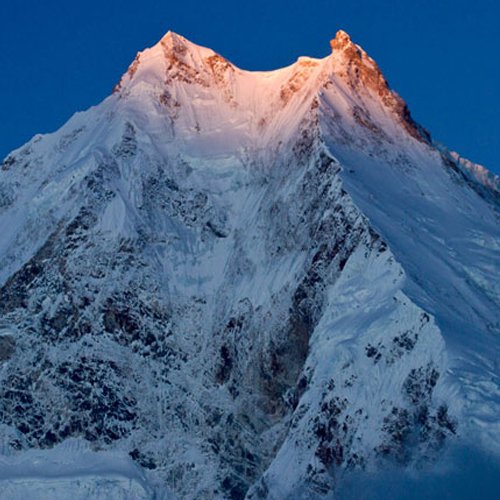
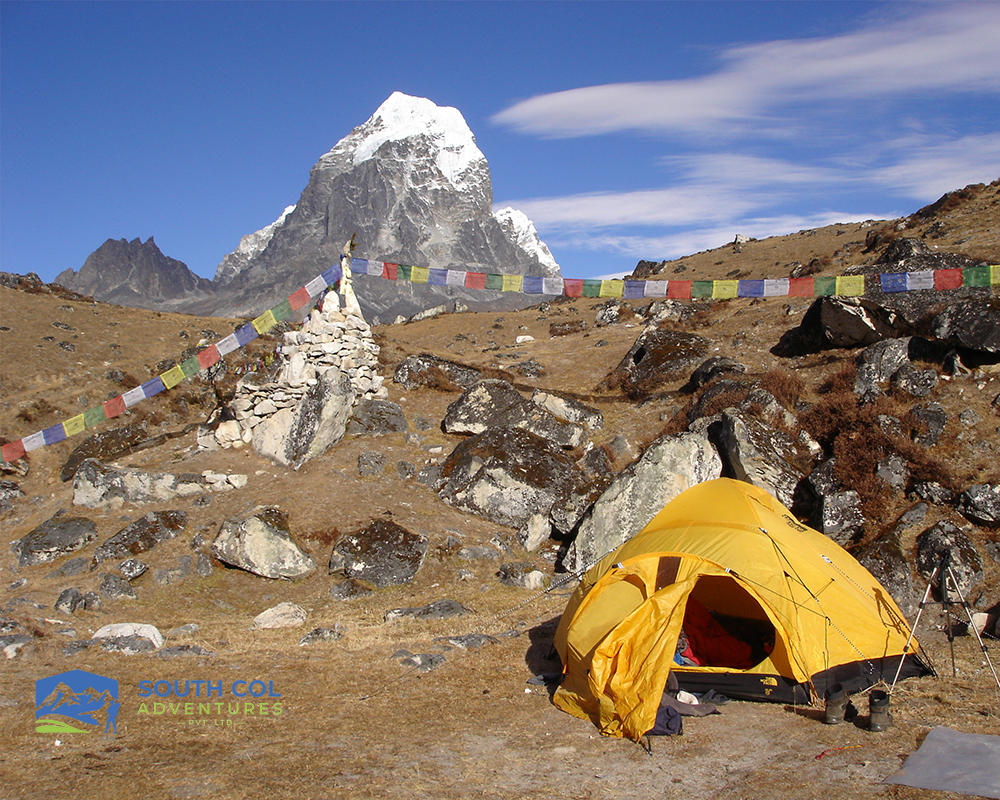
Ama Dablam Expedition is a challenging and technically demanding Himalayan climbing adventure in Nepal, designed for experienced mountaineers seeking to summit the iconic Ama Dablam Peak at 6,812 meters (22,349 feet). Located in the Everest region of Nepal, Ama Dablam is renowned for its distinctive pyramid-shaped profile, steep ridges, exposed climbing terrain and spectacular Himalayan surroundings.
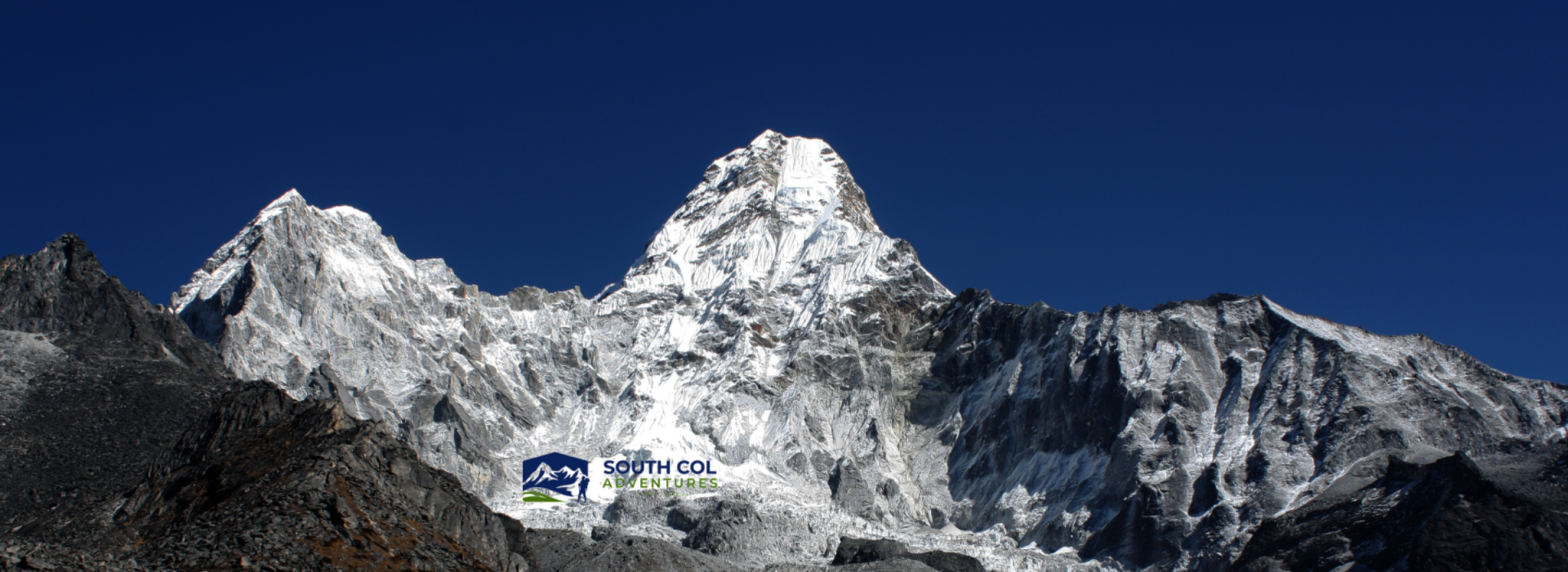
Known as the “Mother’s Necklace,” Ama Dablam holds deep cultural significance among the Sherpa communities of the Khumbu. Its long ridges are traditionally associated with the protective arms of a mother, while the hanging glacier between the ridges resembles a traditional Sherpa necklace.
Unlike many trekking peaks in Nepal, Ama Dablam climbing requires advanced mountaineering skills, technical ropework, strong physical endurance and previous high-altitude experience. The expedition combines a scenic approach through the Everest region with progressive acclimatization, technical training, high-altitude rotations and a demanding summit push.
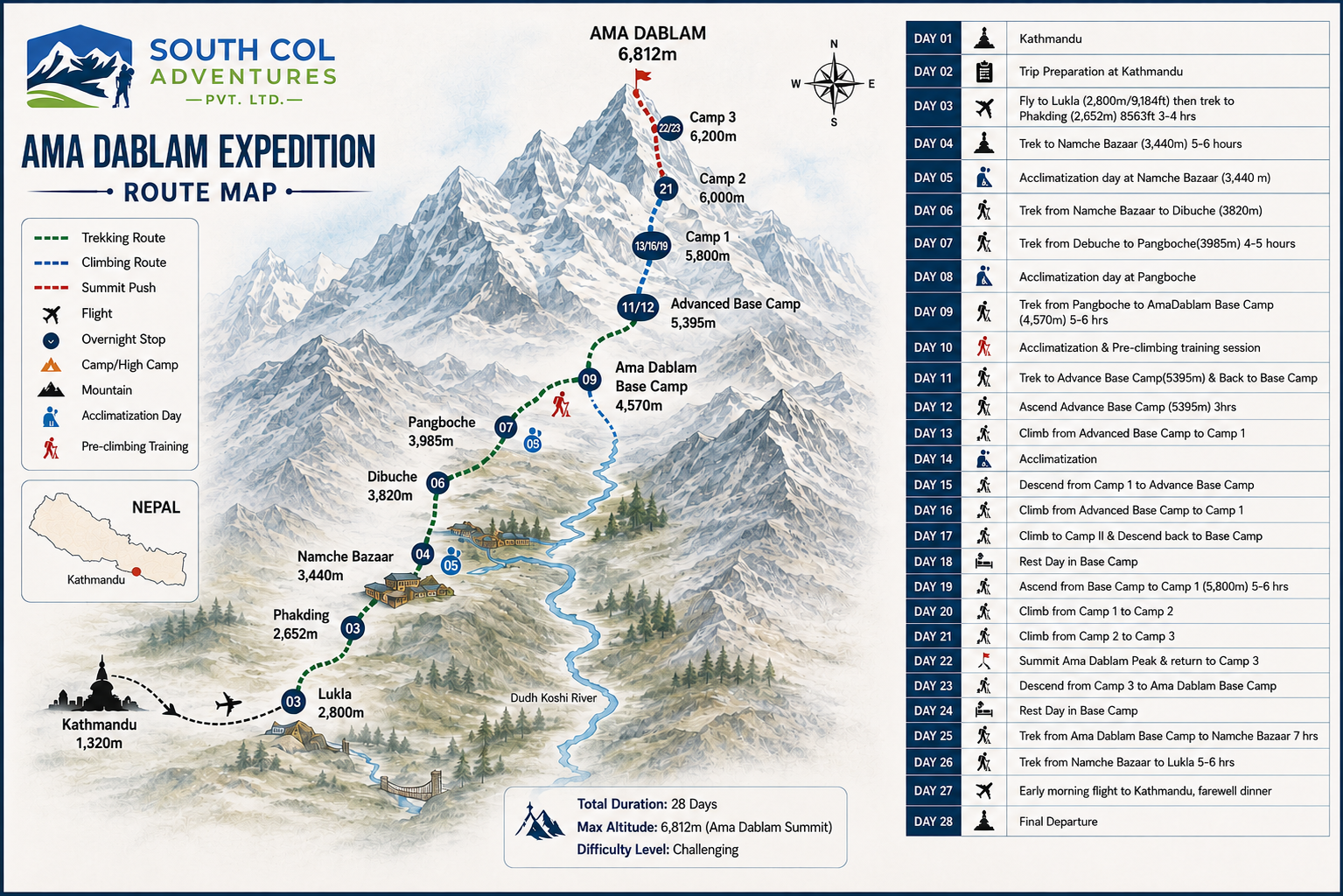
The South Col Adventures Ama Dablam Expedition in Nepal follows the established approach through Lukla, Phakding, Namche Bazaar, Debuche, Pangboche and Ama Dablam Base Camp, followed by acclimatization rotations through Advanced Base Camp, Camp I, Camp II and Camp III before the summit attempt. The current detailed itinerary on the South Col Adventures website extends to 28 days, although the page's summary currently displays a 20-day duration; the detailed itinerary should be treated as the basis for the published program until the duration is reconciled.
For climbers looking beyond conventional trekking peaks and seeking a genuine technical Himalayan mountaineering experience, Ama Dablam 6,812 m offers an exceptional combination of technical climbing, high-altitude adventure, Sherpa culture and breathtaking views of the world's highest mountains.
Ama Dablam Climbing History
Ama Dablam has a long history of exploration and mountaineering. Several climbers tried to reach its summit during the 1950s, but the steep and technical terrain made the mountain difficult to climb. The first successful Ama Dablam ascent was made on 13 March 1961 by Mike Gill, Barry Bishop, Mike Ward and Wally Romanes through the Southwest Ridge. This historic climb made Ama Dablam an important name in Himalayan mountaineering.
Today, the 6,812-meter Ama Dablam is one of Nepal's most popular technical climbing peaks. The Southwest Ridge remains the main Ama Dablam climbing route, with fixed ropes and modern climbing equipment helping climbers tackle its steep sections. However, it is still a demanding mountain that requires good fitness, technical climbing skills, high-altitude experience and proper acclimatization.
Why Climb Ama Dablam?
Ama Dablam Expedition is an excellent choice for experienced climbers looking for a challenging Himalayan adventure. Standing at 6,812 meters, Ama Dablam is famous for its beautiful pyramid shape, steep ridges and dramatic mountain scenery. Its technical climbing route offers a rewarding experience for mountaineers who want to take their skills to a higher level.
Climbing Ama Dablam also provides the opportunity to explore the famous Everest region and experience the unique Sherpa culture of the Khumbu. The journey passes through beautiful mountain villages, Buddhist monasteries and spectacular landscapes, with views of Mount Everest, Lhotse, Nuptse, Makalu and other Himalayan peaks along the way.
For experienced mountaineers, an Ama Dablam climbing expedition is more than reaching a summit—it is a test of endurance, technical ability and determination. The combination of steep rock and snow climbing, exposed ridges, high-altitude conditions and the iconic Southwest Ridge makes Ama Dablam a memorable and prestigious Himalayan climbing adventure.
Ama Dablam Expedition Route
The Ama Dablam Expedition route begins in Kathmandu and continues by air to Lukla before entering the Everest region trekking trail.
Main Route
Kathmandu → Lukla → Phakding → Namche Bazaar → Debuche → Pangboche → Ama Dablam Base Camp → Advanced Base Camp → Camp I → Camp II → Camp III → Ama Dablam Summit → Camp III → Ama Dablam Base Camp → Namche Bazaar → Lukla → Kathmandu
The approach route is strategically designed to provide gradual altitude gain before climbers begin the technical phase of the expedition.
From Lukla, the trail follows the Dudh Koshi Valley toward Namche Bazaar. After acclimatization in Namche, the expedition continues through Debuche and Pangboche before approaching Ama Dablam Base Camp.
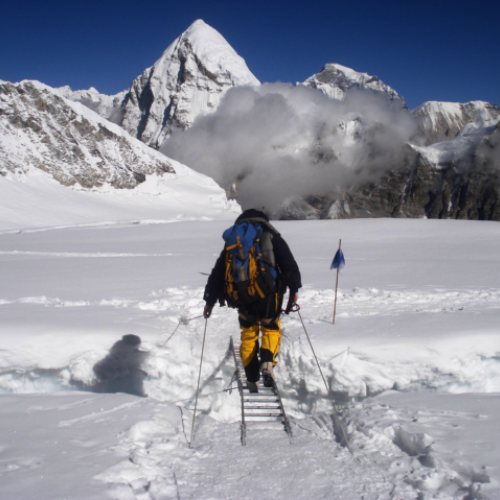
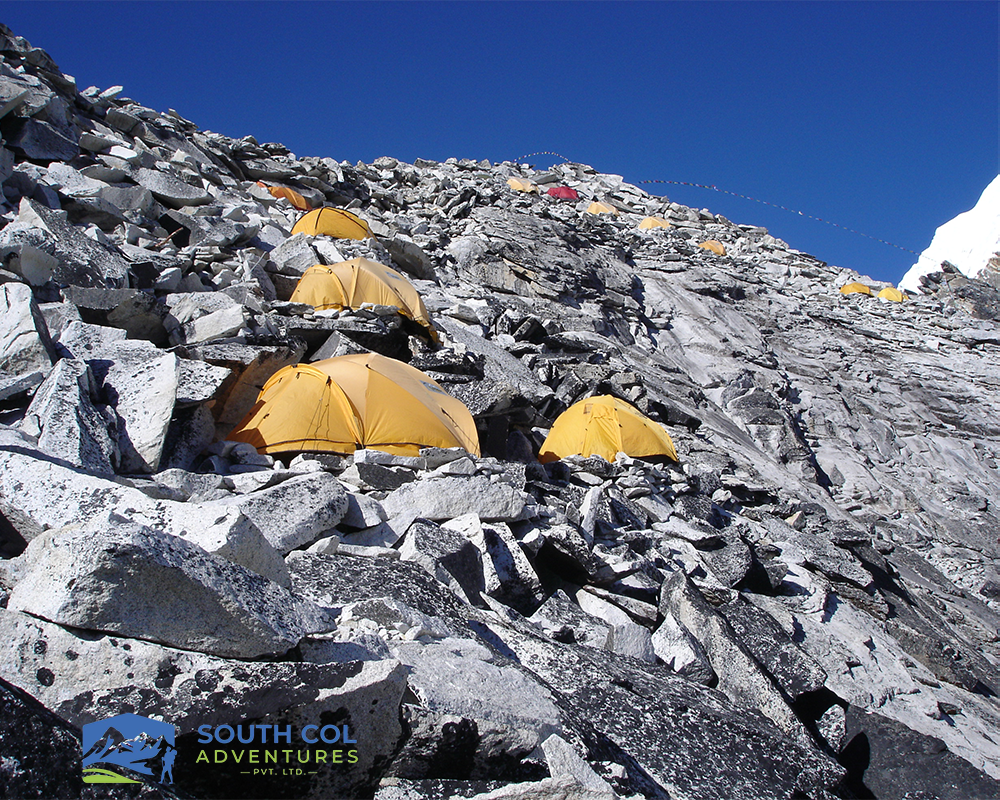
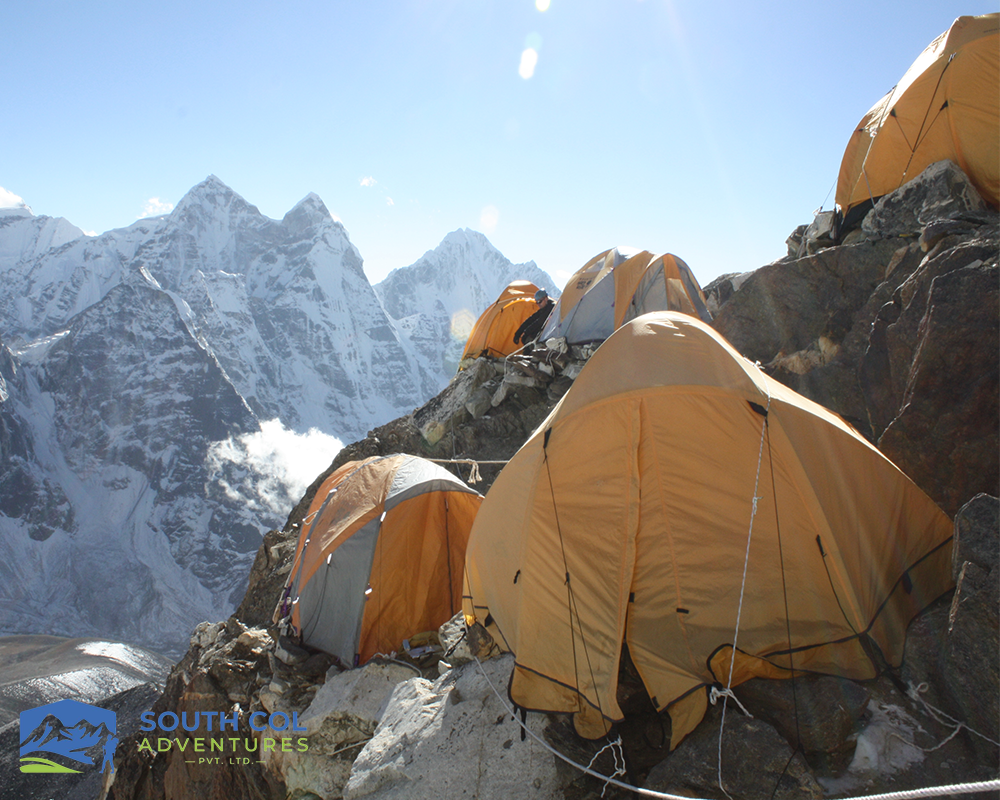
At Base Camp, the focus changes from trekking to mountaineering. Climbers undertake technical training, acclimatization rotations and progressive ascents toward the higher camps before the final summit attempt.
Ama Dablam Expedition Difficulty
How difficult is Ama Dablam?
Ama Dablam is a technically challenging Himalayan mountain. Its relatively moderate elevation compared with the world's 8,000-meter peaks should not be mistaken for an easy climb.
The primary difficulties include:
- Steep rock climbing
- Snow and ice climbing
- Exposed ridges
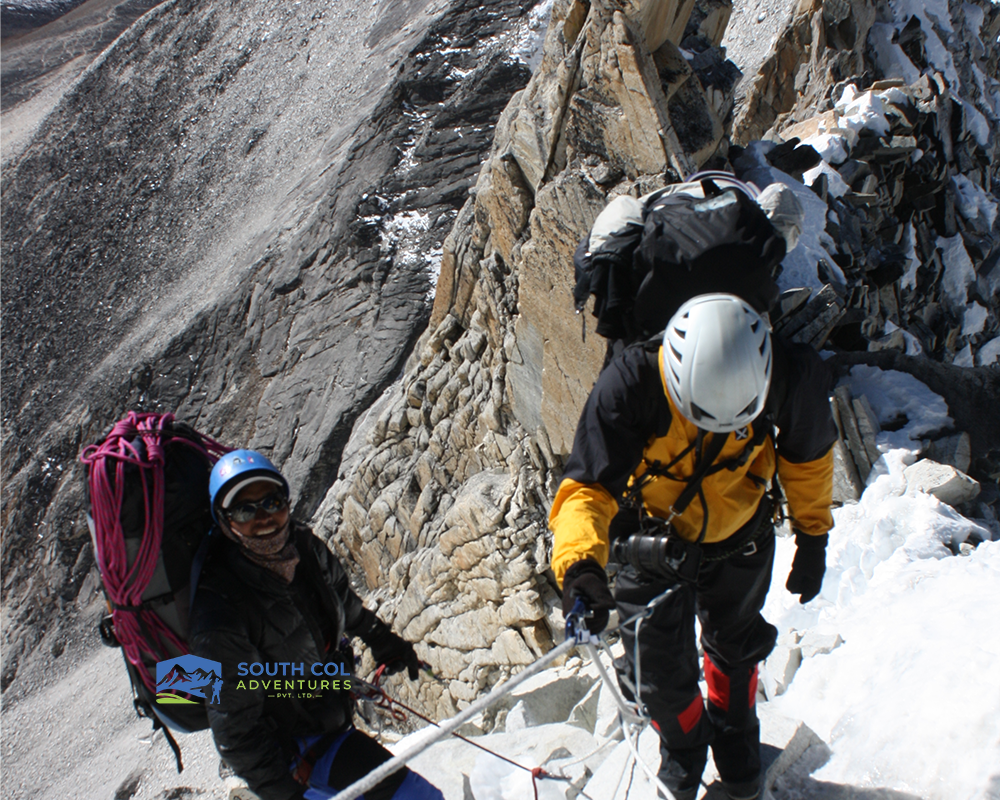
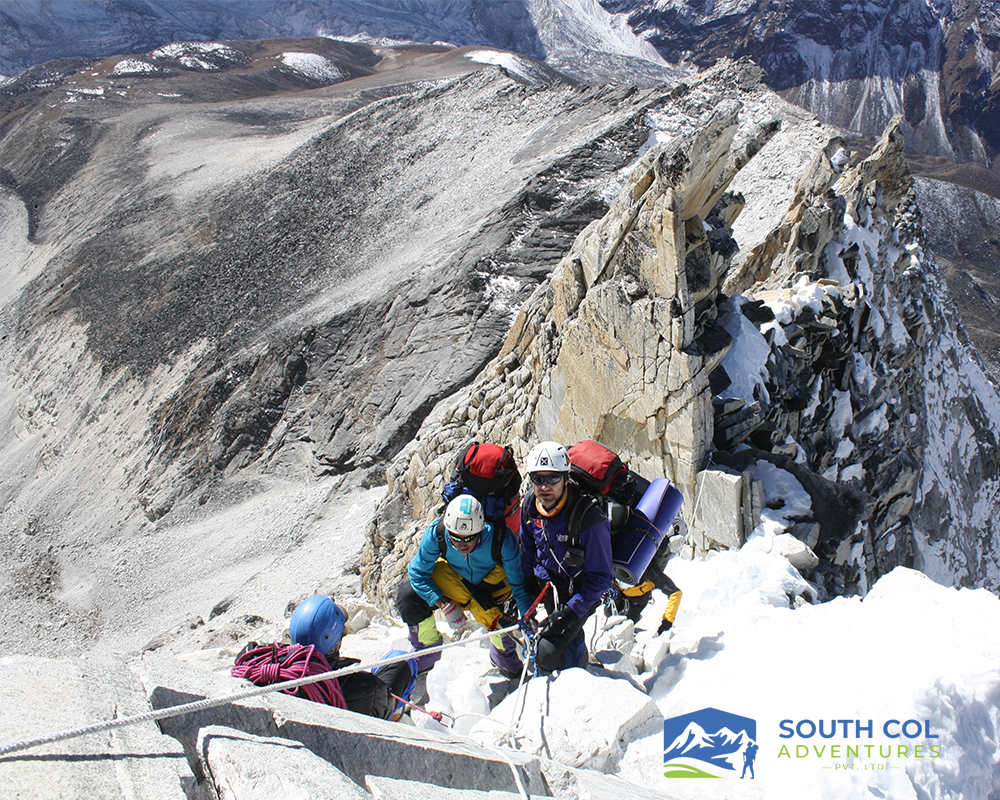
- Fixed-rope climbing
- High-altitude exposure
- Technical vertical sections
- Cold temperatures
- Strong winds
- Altitude-related fatigue
- Long summit-day effort
- Rapidly changing mountain weather
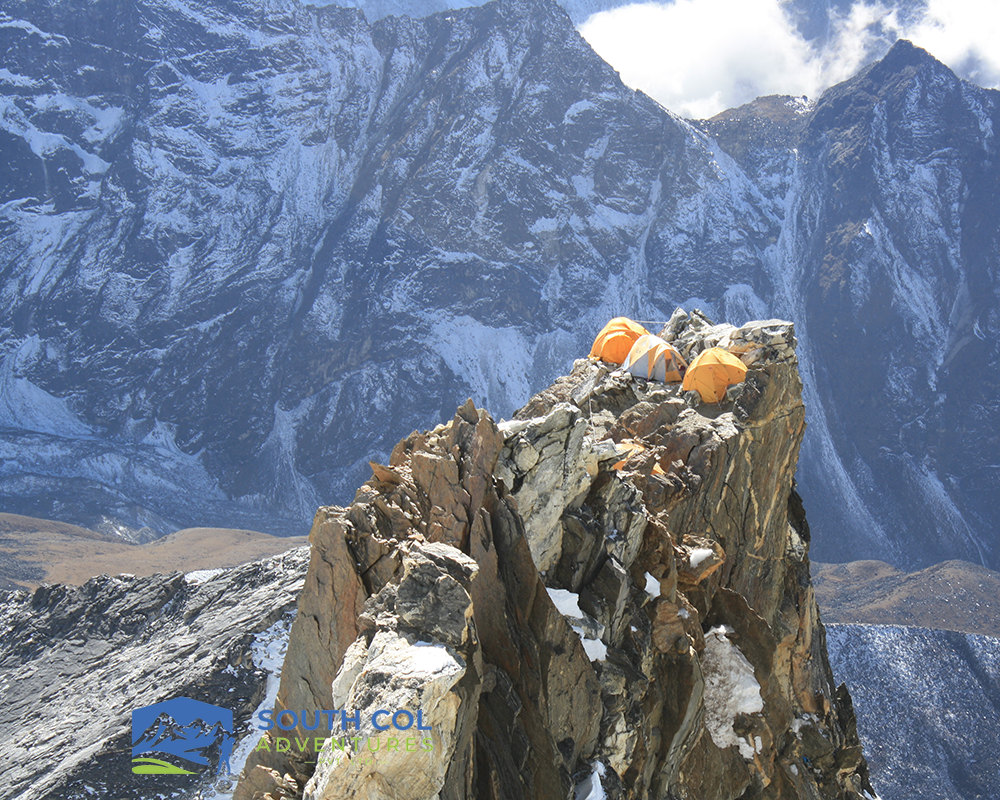
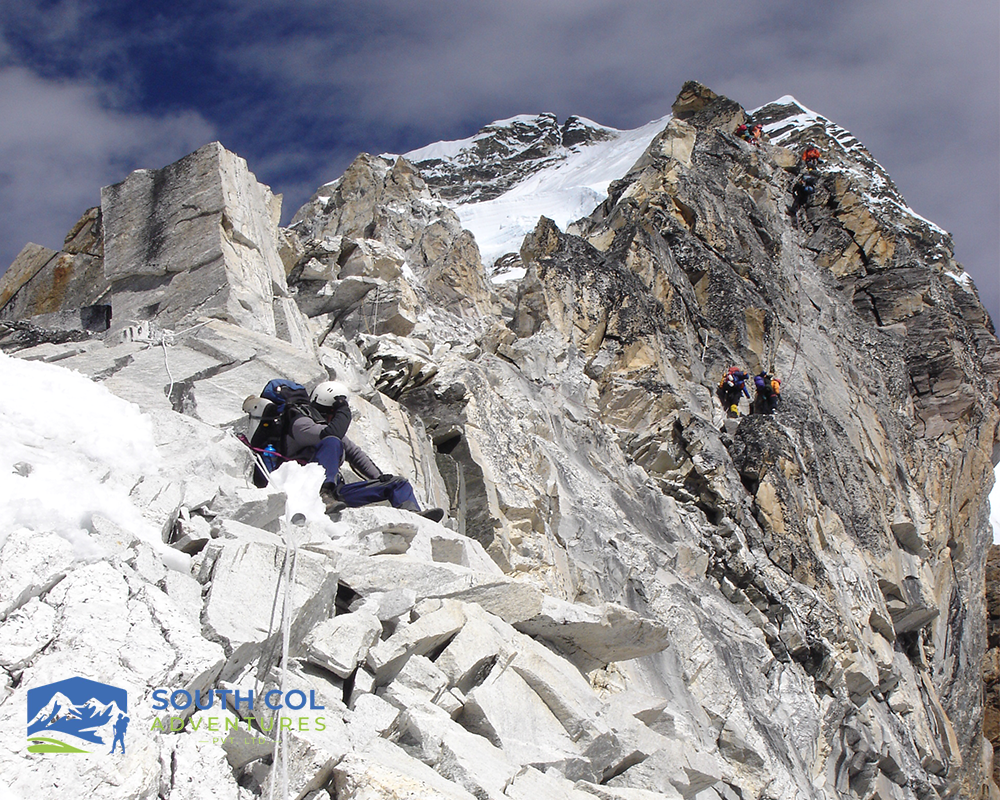
The upper route includes technically demanding sections around the Yellow Tower, Mushroom Ridge and steep snowy terrain toward the summit.
Who Can Climb Ama Dablam?
The Ama Dablam Expedition is best suited to experienced mountaineers with strong physical fitness and technical climbing skills.
A suitable climber should ideally have:
- Previous high-altitude mountaineering experience
- Experience climbing with crampons
- Familiarity with an ice axe
- Fixed-rope experience
- Good rock-climbing ability
- Snow and ice climbing experience
- Strong cardiovascular endurance
- Excellent leg and core strength
- Mental resilience
- Ability to operate safely in exposed terrain
- Experience camping at high altitude
Ama Dablam is not recommended as a first-ever mountaineering experience.
Ama Dablam Acclimatization Strategy
Proper acclimatization is fundamental to a successful Ama Dablam climb.
South Col Adventures incorporates multiple acclimatization stages:
Namche Bazaar → Pangboche → Ama Dablam Base Camp → Advanced Base Camp → Camp I → Camp II → Camp III
The expedition does not simply move continuously upward. Climbers make repeated ascents and descents so the body has opportunities to adapt to increasing altitude.
The rotations include:
- Base Camp to Advanced Base Camp and back
- Advanced Base Camp to Camp I
- Camp I to Advanced Base Camp
- Advanced Base Camp to Camp I
- Camp I to Camp II and back to Base Camp
- Final summit rotation through Camp I, Camp II and Camp III
This progressive strategy is one of the most important aspects of high-altitude expedition planning.
Ama Dablam Summit Experience
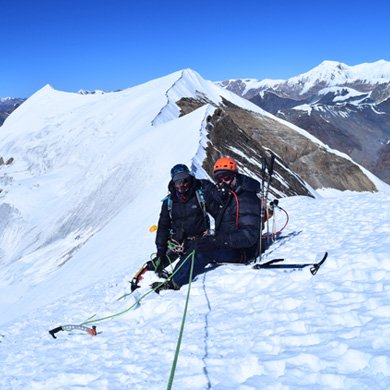
The Ama Dablam summit experience is the highlight of this challenging Himalayan expedition. After proper acclimatization and climbing rotations, the summit push begins from the high camp through steep snow, ice and exposed sections using fixed ropes. Reaching the Ama Dablam summit at 6,812 meters requires strong fitness, technical climbing skills, endurance and careful decision-making.
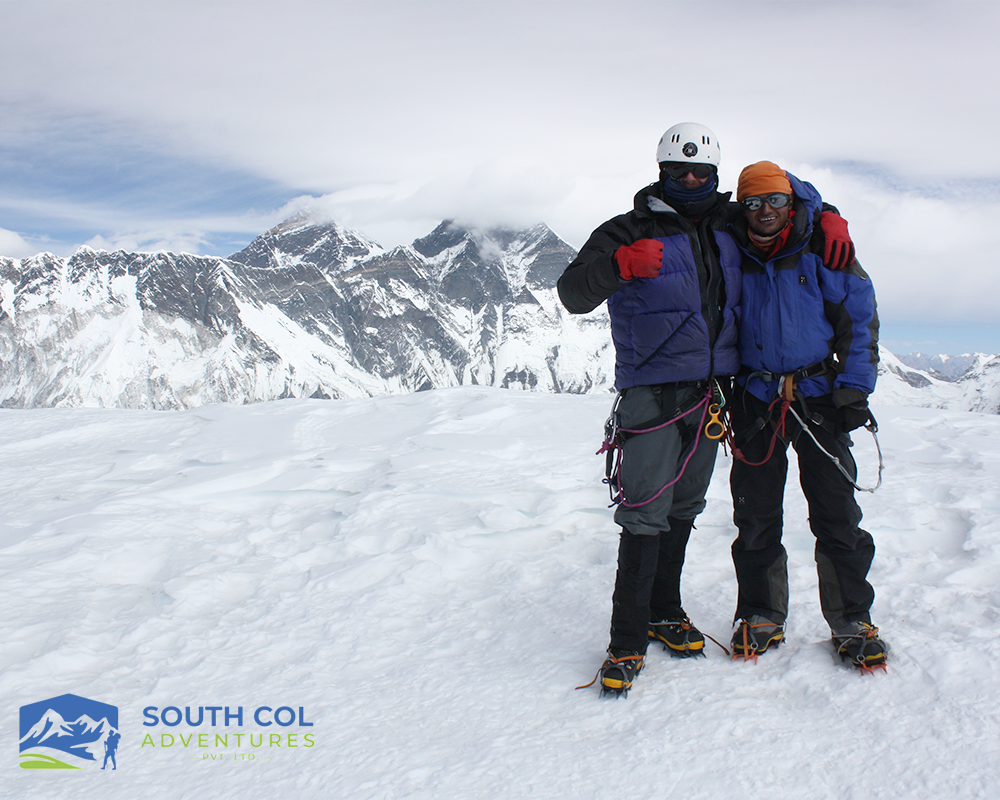
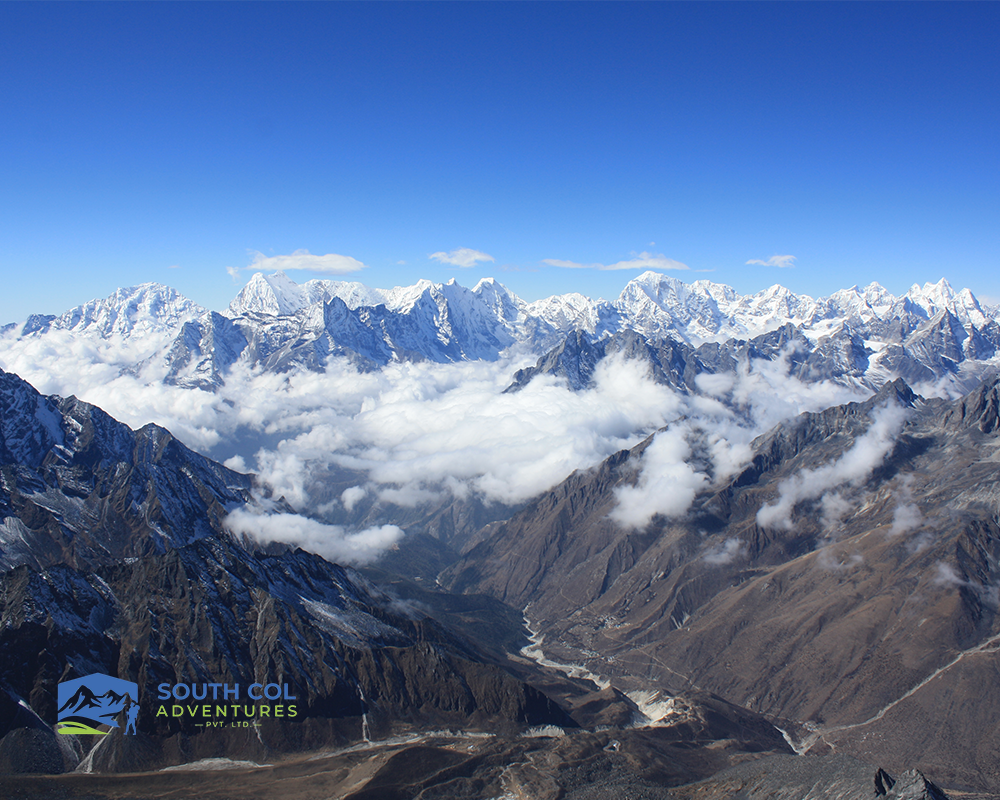
Standing on the summit offers spectacular views of Mount Everest, Lhotse, Nuptse, Makalu, Pumori and the Khumbu Himalaya. The combination of technical climbing, dramatic mountain scenery and the achievement of reaching one of Nepal's most iconic peaks makes Ama Dablam climbing a truly rewarding and unforgettable mountaineering experience.
Best Time for Ama Dablam Expedition
The best periods for an Ama Dablam Expedition are generally the main pre-monsoon and post-monsoon Himalayan climbing seasons.
Spring – April to May
Spring provides longer daylight hours and generally suitable conditions for Himalayan climbing.
The South Col Adventures page identifies April–May as a preferred season for Ama Dablam climbing.
Autumn – September to November
Autumn follows the monsoon and is another major climbing period in Nepal.
Clearer mountain views and generally drier conditions make the autumn season attractive for both trekking and mountaineering.
Ama Dablam Expedition Cost
The Ama Dablam Expedition cost depends on the expedition duration, group size, climbing permit, accommodation, transportation, Sherpa support, Base Camp services, oxygen, high-camp logistics, equipment and other expedition requirements.
South Col Adventures currently lists the Manaslu Expedition from US$6,500, with the published price and inclusions subject to confirmation at the time of booking.
Ama Dablam Expedition vs. Trekking Peaks
Ama Dablam is substantially different from most popular trekking peaks in Nepal.
| Feature | Ama Dablam Expedition | Trekking Peak |
|---|---|---|
| Elevation | 6,812 m | Varies |
| Technical difficulty | High | Low to moderate on many peaks |
| Rock climbing | Significant | Route dependent |
| Fixed ropes | Important | Varies |
| Exposure | High | Usually lower |
| Experience | Advanced | Beginner to advanced depending on peak |
| Acclimatization | Extensive | Generally simpler |
| High camps | Multiple | Fewer on many peaks |
| Expedition logistics | Extensive | Comparatively simpler |
| Summit strategy | Highly weather-dependent | Generally less complex |
This is why Ama Dablam should be considered a technical expedition rather than simply another trekking peak.
Ama Dablam Expedition with South Col Adventures
Choosing an experienced expedition operator is one of the most important decisions when planning an Ama Dablam climb. South Col Adventures combines Himalayan expedition logistics with local mountain expertise and a structured acclimatization program
Our Ama Dablam Expedition in Nepal focuses on:
- Experienced expedition and climbing Sherpa support
- Carefully planned acclimatization
- Reliable Base Camp management
- High-camp logistics
- Group climbing equipment
- Communication systems
- Oxygen arrangements
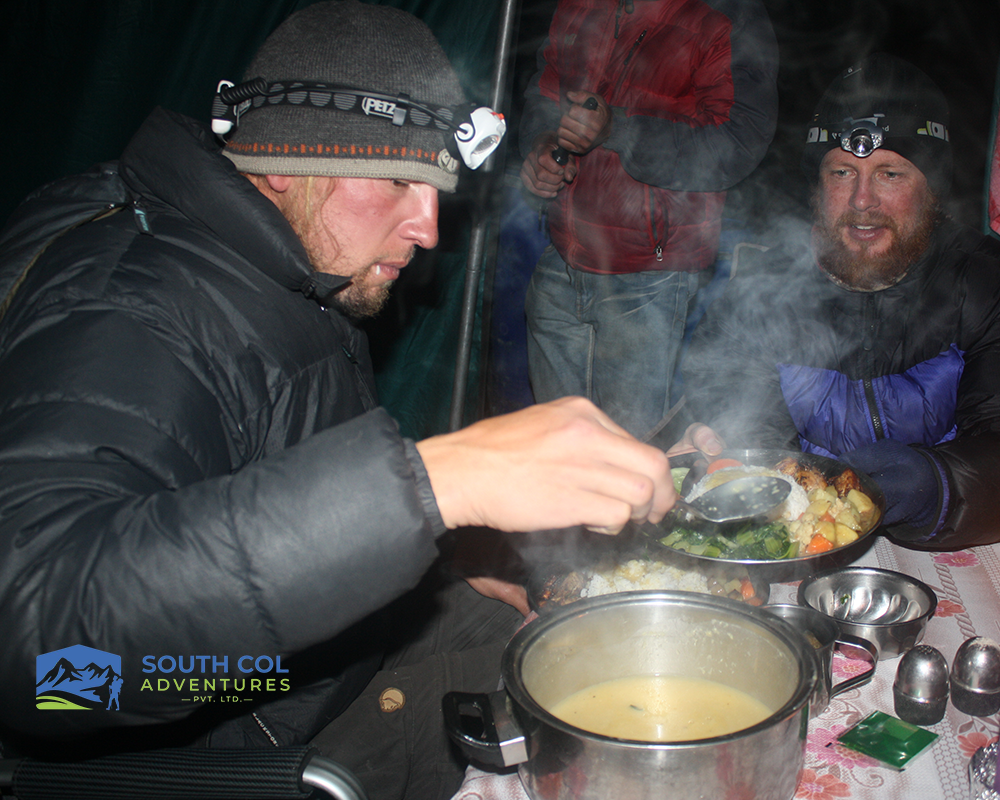
- Experienced kitchen and support staff
- Required permits and documentation
- Weather-conscious summit planning
- Safety-focused expedition management
- Personalized service
The current South Col Adventures Ama Dablam package includes Base Camp management, dining facilities, charging systems, meals, group climbing equipment, communications equipment, high-camp settlement, oxygen support and expedition staff.